
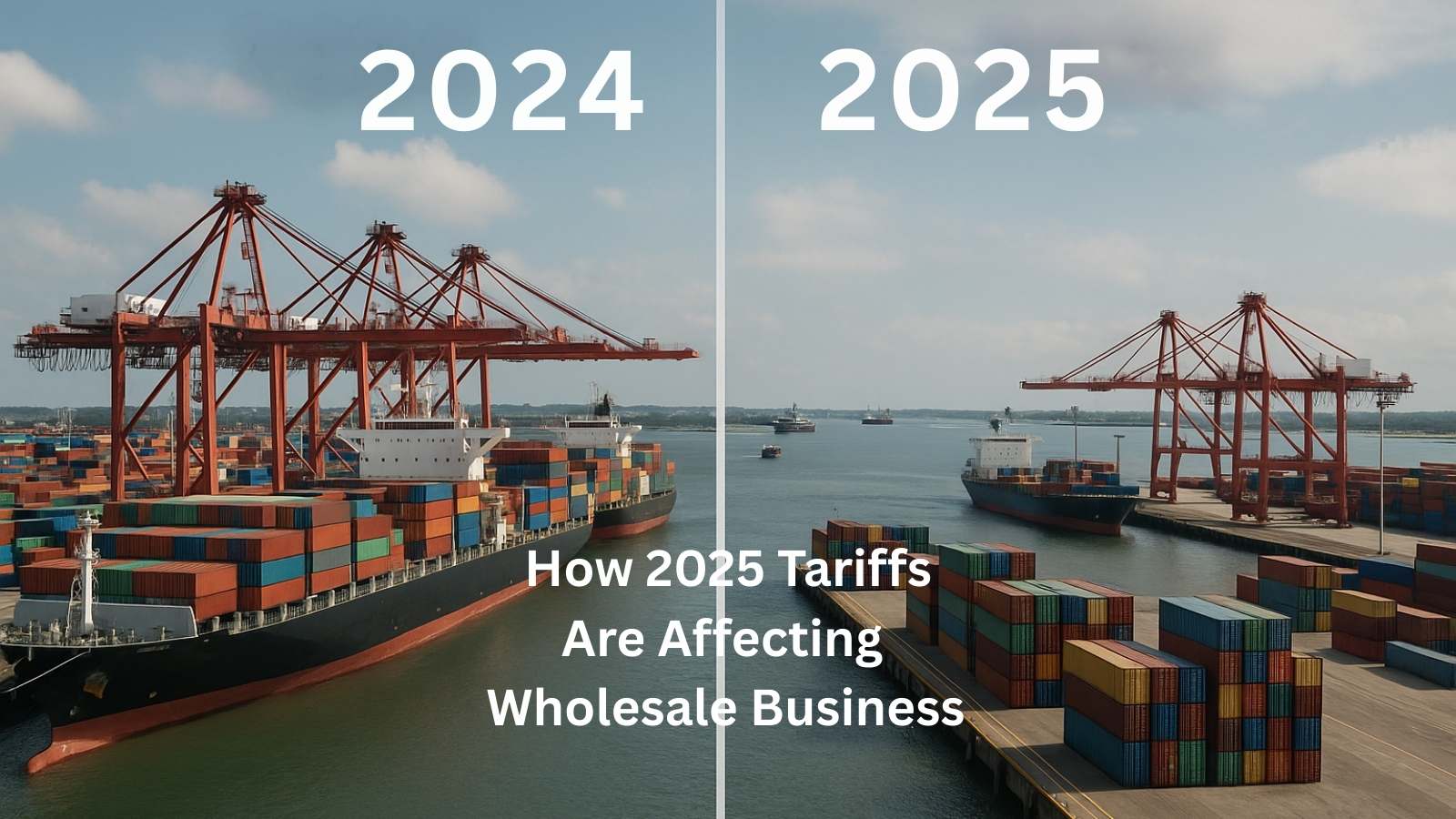
In 2025, U.S. businesses are navigating one of the most turbulent trade environments in decades. With new tariff hikes now in effect, import duties have surged anywhere from 10% to 50% depending on the country and product category. For wholesalers and retailers alike, the 2025 US tariffs wholesale impact is impossible to ignore. Costs are climbing, supply chains are shifting, and small business owners are searching for solutions.
If you’re buying in bulk for resale, understanding the tariffs effect on bulk pricing is critical to protecting your margins. This article breaks down what’s changed, how it affects wholesale buyers, and practical strategies you can use to keep your business competitive.
What’s Happening with Tariffs in 2025
The U.S. government has introduced a series of sweeping trade measures that have disrupted how goods move across borders. These tariffs are not minor adjustments — they represent the highest import duties in nearly a century. For wholesalers, the ripple effect is immediate: higher landed costs, longer lead times, and greater uncertainty in pricing.
Major 2025 Tariff Changes in the U.S.
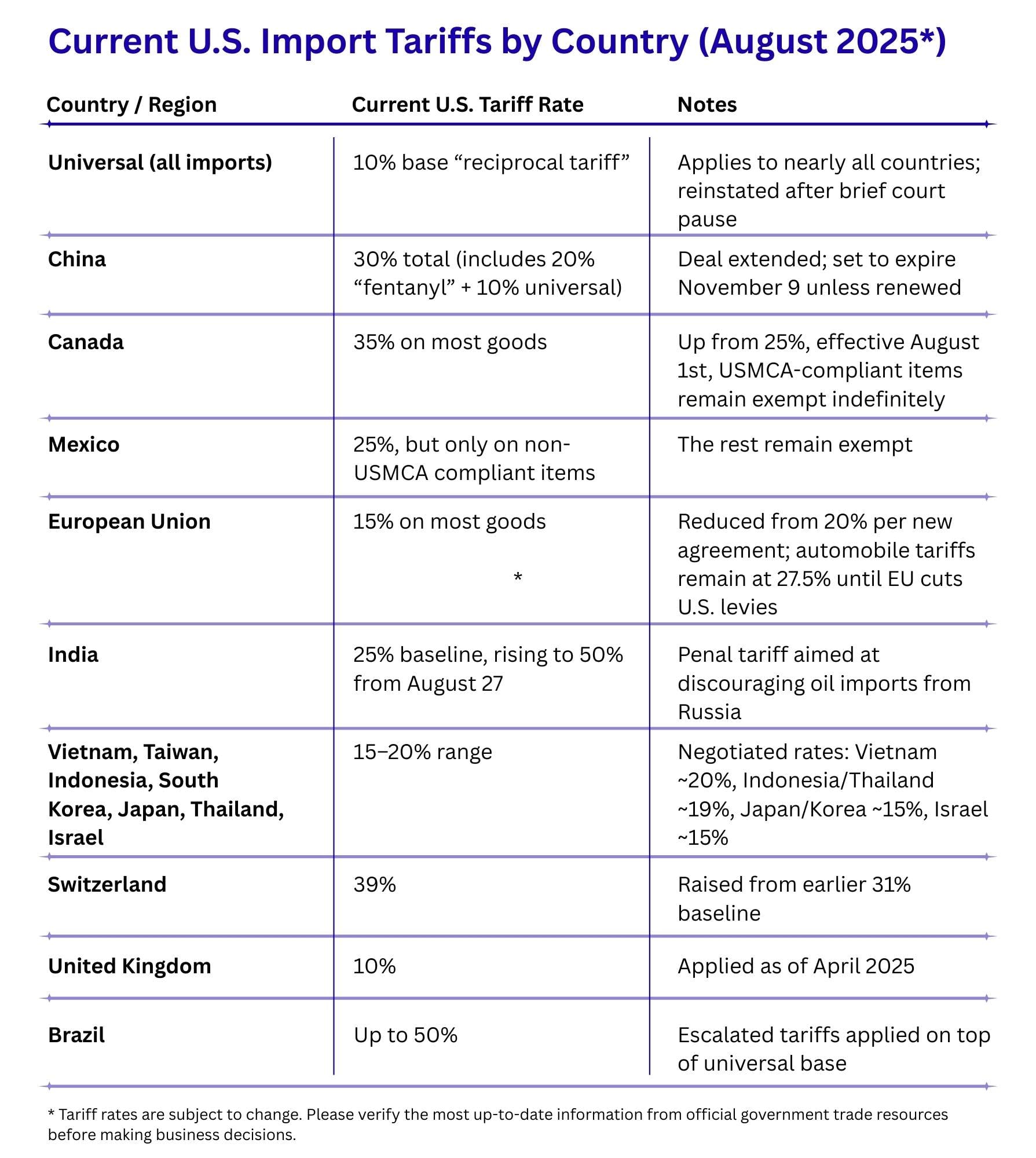
In 2025, the U.S. government rolled out a universal 10% import tariff on all goods, combined with country-specific rates ranging from 15% to 50%. This means that products from China, Vietnam, Mexico, Brazil, and the EU now carry significantly higher costs. For instance, a $1,000 shipment of hats from Vietnam that used to enter duty-free can now cost an extra $200 once tariffs and handling fees are applied.
These additional costs are reshaping the wholesale landscape, making international sourcing less predictable and forcing businesses to adjust their buying strategies.
Why Tariffs Cause Price Increases
Tariffs function as an import tax, applied at the border when goods enter the U.S. Importers pay these costs upfront, and wholesalers then pass the increases on to retailers. Retailers, in turn, must either raise their resale prices or absorb the difference — neither of which is an easy choice in a competitive marketplace.
The end result is a domino effect across the supply chain. Inflationary pressure builds as higher costs trickle down, hitting categories like hats, belt buckles, organizers, and home goods particularly hard. For businesses relying on imports, the price increase in 2025 is already visible in everyday operations.
The Impact on Wholesale Businesses
Tariffs don’t affect every product in the same way. Some categories are more exposed than others, depending on where they’re sourced and how reliant they are on imports. For wholesalers and retailers, the challenge is figuring out which products are most at risk and how to adapt sourcing strategies accordingly.
Product Categories Most Affected by Price Increases
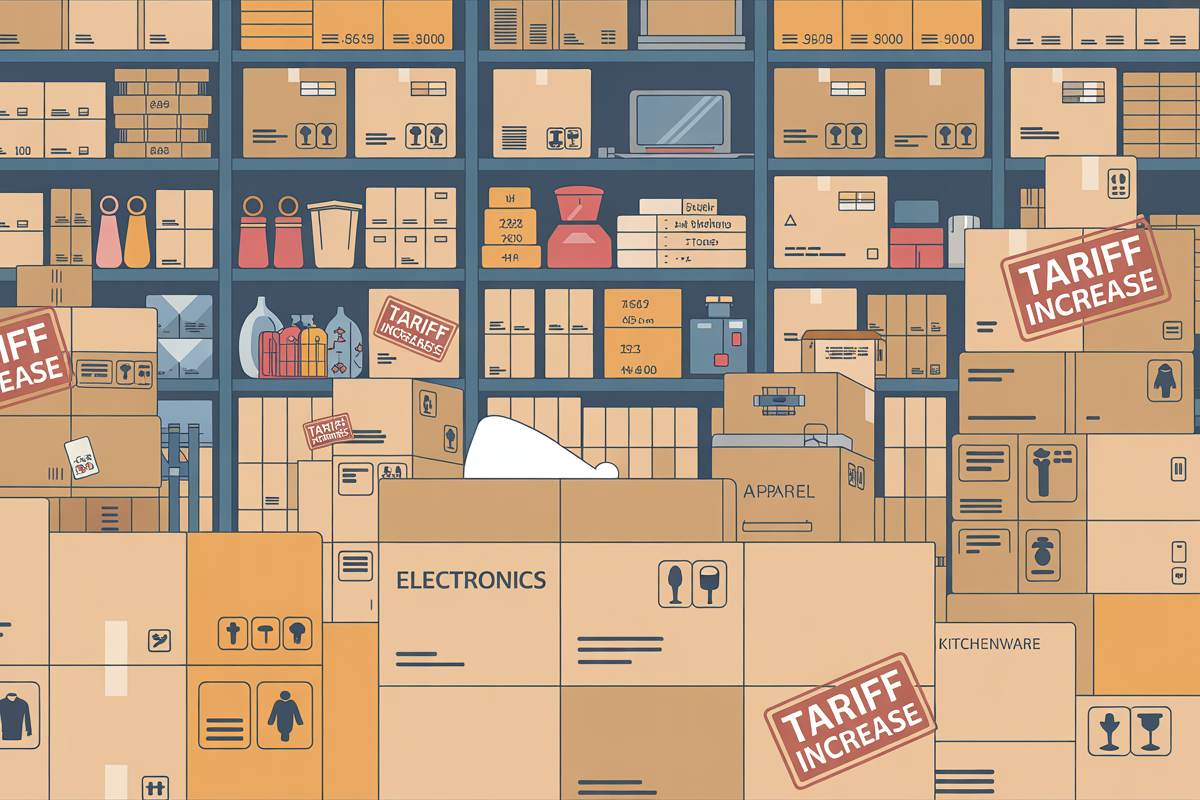
The effects of tariffs in 2025 are not distributed evenly across the economy. Sectors that depend heavily on global supply chains are experiencing the sharpest price increases. Consumer goods such as apparel, footwear, electronics, kitchenware, and household essentials are among the most impacted, while certain raw materials and industrial products are also seeing significant cost hikes. Everyday necessities — from cleaning supplies to basic home goods — are becoming more expensive as tariff costs are absorbed into wholesale and retail pricing.
This uneven impact is forcing businesses across industries to reevaluate their sourcing strategies, adjust order volumes, and reconsider which products make the most financial sense to carry. Retailers, in particular, are under pressure to balance rising costs with customer expectations, making inventory diversification and smarter purchasing decisions more critical than ever.
How It Affects Retailers and Resellers
For resellers and boutiques, tariff-driven costs create two major problems: shrinking profit margins and tighter cash flow. Smaller shops may not be able to pass along the full price increases to customers without losing sales, so they either cut back on orders or seek alternative suppliers.
The tariffs effect on pricing is squeezing businesses from both ends, making it harder to maintain competitiveness while covering higher overhead costs.
Strategies for Retailers to Manage Tariff Costs
The good news is that retailers are not powerless. By making strategic adjustments in purchasing and sourcing, businesses can still protect their margins and find opportunities even in a high-tariff environment.
Buy in Larger Quantities to Lower Per-Unit Cost
Ordering larger shipments allows retailers to spread tariffs and shipping costs over more units, lowering the per-item price. For example, buying 200 hats in bulk keeps the per-unit cost much lower than placing multiple smaller orders. This bulk approach is one of the simplest ways to absorb tariff pressure without dramatically raising resale prices.
Source from Domestic Suppliers
Domestic sourcing is becoming increasingly attractive as tariffs raise the cost of international imports. By working with U.S.-based wholesalers, retailers avoid international duties, cut down on lead times, and eliminate customs delays. Buying wholesale in USA provides predictability and stability that import-reliant businesses currently lack.
Diversify Your Product Range
Another strategy is to adjust product mix by adding items that are less affected by tariffs. If imported accessories are rising in cost, retailers can pivot toward tariff-free or domestically stocked items such as home goods or gift products. This keeps stores well-stocked while maintaining reasonable price points for customers.
Lock in Prices with Pre-Orders
Pre-ordering from wholesalers is a practical way to secure current rates before additional tariff hikes or supplier increases take effect. This forward-planning approach gives retailers price certainty and helps smooth out seasonal inventory planning.

How Buy4store Helps Retailers Navigate the 2025 Tariff Landscape
Adapting to tariffs requires reliable wholesale partners who understand the challenges retailers face. At Buy4store, we are committed to helping our customers stay competitive by offering solutions that reduce the burden of tariffs.
- Domestic Stock in Los Angeles: All products ship from our U.S. warehouse, eliminating international duties.
- Competitive Bulk Pricing: We keep costs low so that retailers can maintain healthy margins.
- Fast U.S. Shipping: Domestic inventory means quick delivery and no customs delays.
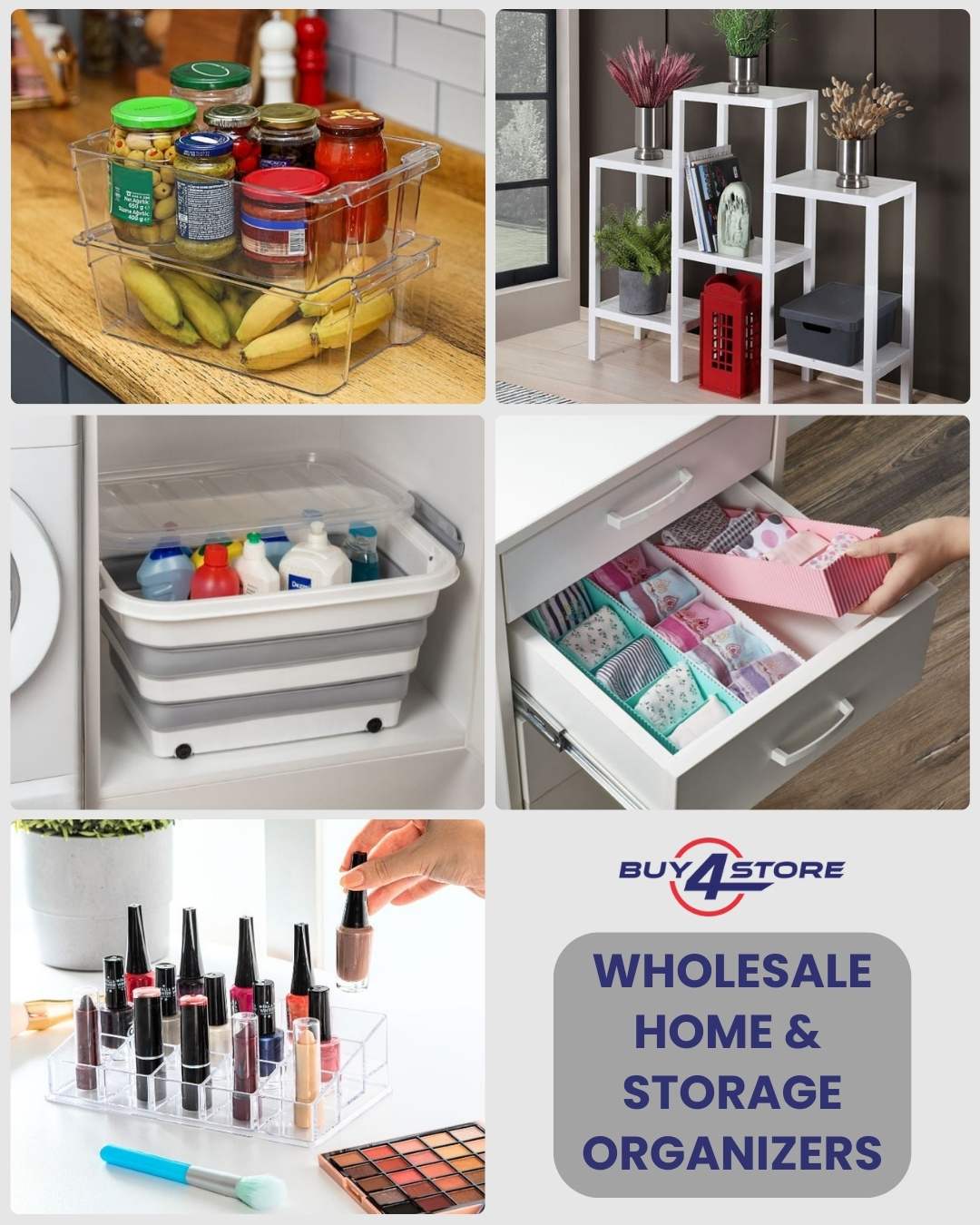
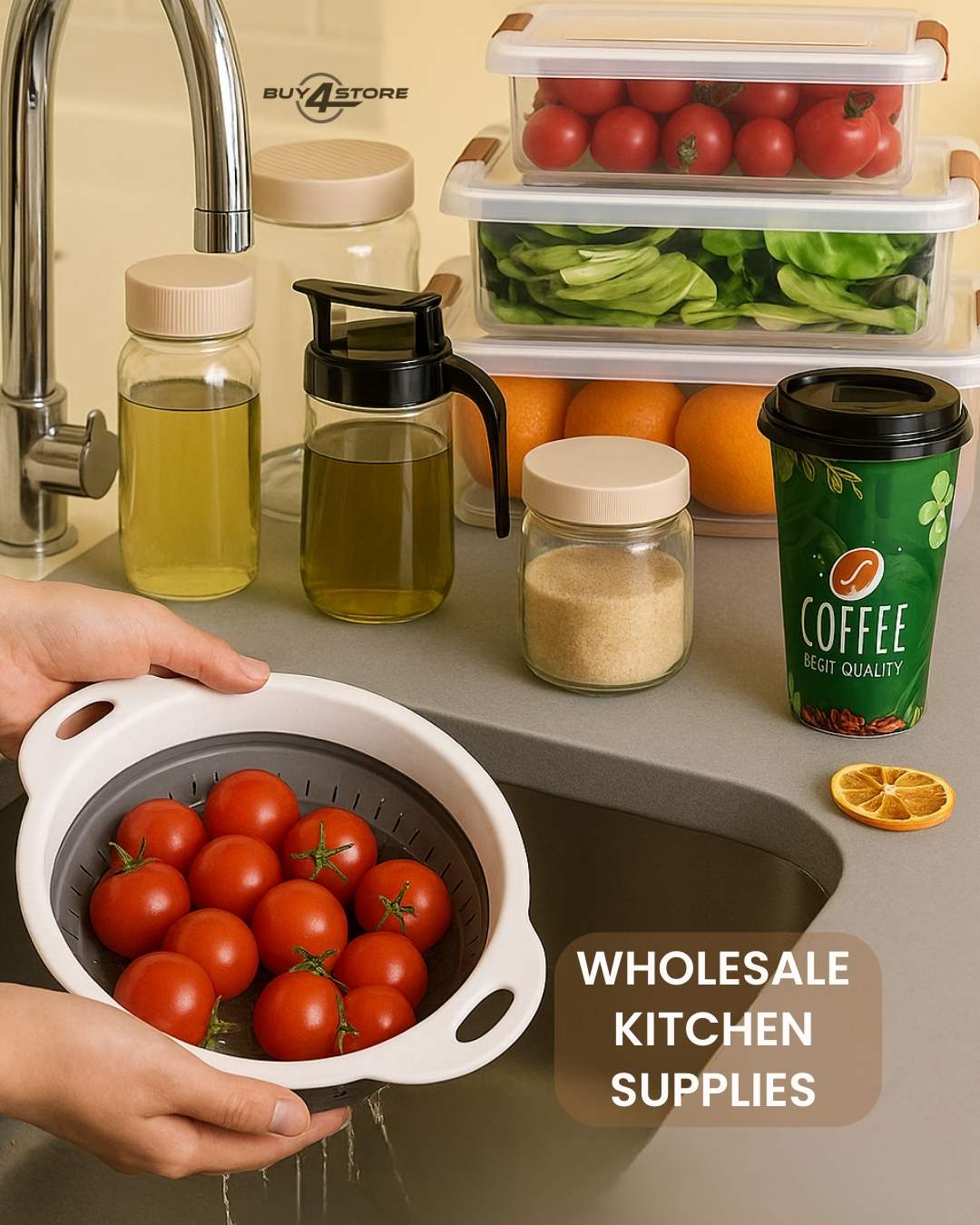
- Expanded Product Selection: In response to tariffs, we’ve introduced new items such ashome organizers, kitchen supplies, and cleaning supplies, giving our customers must-have home goods that sell consistently in any market. These categories help retailers diversify their inventory and keep shelves stocked with products that customers need year-round.
By sourcing from Buy4store, retailers can reduce the tariffs effect on bulk pricing while keeping resale prices competitive and product variety strong.
Conclusion: Adapt and Protect Your Margins
The wholesale price increase in 2025 is a direct result of rising global tariffs, and businesses cannot afford to ignore it. While these challenges are significant, they also present opportunities for retailers who adapt quickly. Bulk buying, sourcing domestically, and diversifying inventory are all proven strategies that help mitigate the impact.
At Buy4store, we are committed to being part of the solution. With competitive wholesale pricing, U.S.-based stock, and a wide variety of products ready to ship, we help businesses navigate the uncertainty of tariffs with confidence. Explore our catalog today and discover how Buy4store can keep your shelves stocked and your margins strong in the 2025 tariff era.




0 Comment(s)