

Valentine Week is one of the shortest and most intense selling windows for mall kiosks, pop-up shops, fairground vendors, and event sellers. Decisions made weeks in advance often determine whether inventory moves quickly or sits unsold after February 14. As sellers prepare for Valentine Week in 2026, buying behavior reflects a clear shift toward caution: rising costs, tighter margins, and less room for trial-and-error. Fast-moving items still attract attention, but experienced sellers are no longer chasing urgency alone. Instead, they focus on gifts that last beyond Valentine Week, products with strong visual appeal, emotional meaning, and the ability to remain relevant beyond a single week. Understanding what truly performs in real-world selling environments—rather than what simply trends online—has become essential for building profitable, low-risk Valentine inventory.
What Makes a Product Work for Valentine’s Selling at Kiosks and Events
Valentine selling in physical locations is driven by speed and clarity. Sellers operating in malls, fairs, and pop-up environments work with limited space and limited time to convert attention into a purchase. Products that perform well under these conditions tend to share a few traits: they create immediate visual interest, communicate emotional value without explanation, and fit naturally into impulse-buying behavior. Just as importantly, they do not depend on perishability or one-day relevance. In a market shaped by cautious spending, sellers increasingly favor items that can be sold before, during, and after Valentine Week. Products that balance emotional appeal with inventory flexibility consistently outperform those built around short-lived demand.
Why Valentine’s Floral Gifts Are Shifting Away From Fresh Roses
Fresh roses remain a familiar Valentine symbol and continue to generate last-minute demand. However, for sellers working in temporary retail setups, traditional flowers present clear limitations. They require ongoing care, have a short shelf life, and lose value almost immediately after Valentine Week. From the buyer’s perspective, the emotional impact is often just as brief once the flowers fade.
As a result, both buyers and sellers are reconsidering what a Valentine floral gift should offer. Shoppers increasingly look for options that feel thoughtful without disappearing in days, while sellers look for inventory that does not force heavy discounting after February 14. This shift has created space for alternatives that preserve the meaning of a floral gift while removing the operational risks tied to freshness—especially important for event-based selling.
Crochet Flowers as Long-Lasting Valentine Floral Gifts
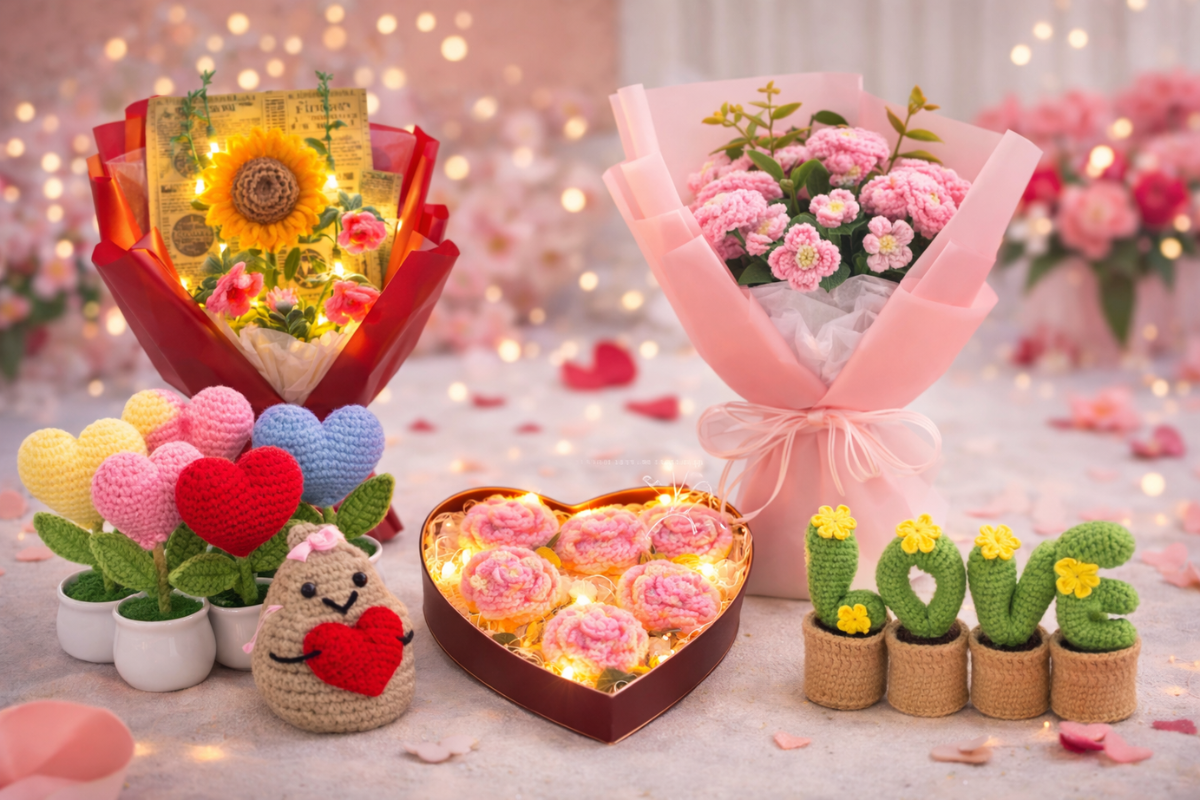
Crochet flowers offer a different kind of Valentine experience—one that preserves the meaning of a floral gift without the limitations of freshness. Unlike roses that require water, care, and quick replacement, crochet floral designs remain visually consistent from the moment they are gifted onward. For shoppers, this creates a sense of permanence; the flowers do not fade, and the sentiment attached to them does not disappear after a few days. For sellers, this translates into non-perishable seasonal gifts that are easy to store, transport, and display throughout the season.
From a selling perspective, crochet floral products work especially well in physical retail environments. Crochet flower bouquets provide a familiar presentation for buyers who still want the look and feel of a traditional Valentine bouquet. Flowers arranged in decorative pots appeal to customers looking for desk or home décor gifts that can be enjoyed year-round. Crochet rose boxes, with their structured and gift-ready format, attract shoppers seeking a more premium presentation without the risks associated with fresh arrangements. Together, these formats give sellers flexibility while offering buyers a floral gift that feels thoughtful, lasting, and memorable—qualities increasingly expected from gifts designed to last beyond the holiday.
Valentine’s Gifts That Create Shared Experiences, Not Just Purchases
Valentine gifting has gradually moved beyond exchanging objects toward creating moments that couples can share. Many shoppers are no longer satisfied with gifts that are opened, admired briefly, and set aside. Instead, they look for items that encourage interaction, creativity, or time spent together. This shift is especially visible during Valentine Week, when couples seek ways to make the occasion feel personal without relying on overly expensive or disposable products.
For sellers, experience-driven gifts offer a clear advantage. Products that involve participation or storytelling tend to generate stronger emotional connections and higher perceived value, even when the price point remains accessible. They also stand out in crowded retail environments, where shoppers are drawn to items that promise more than a quick transaction. As interest in DIY-style Valentine gift experiences and shared activities continues to grow, gifts that combine creativity with lasting use are becoming increasingly effective for kiosks, pop-up shops, and event-based selling.
DIY Mosaic Lamps Couples Can Build, Light, and Keep
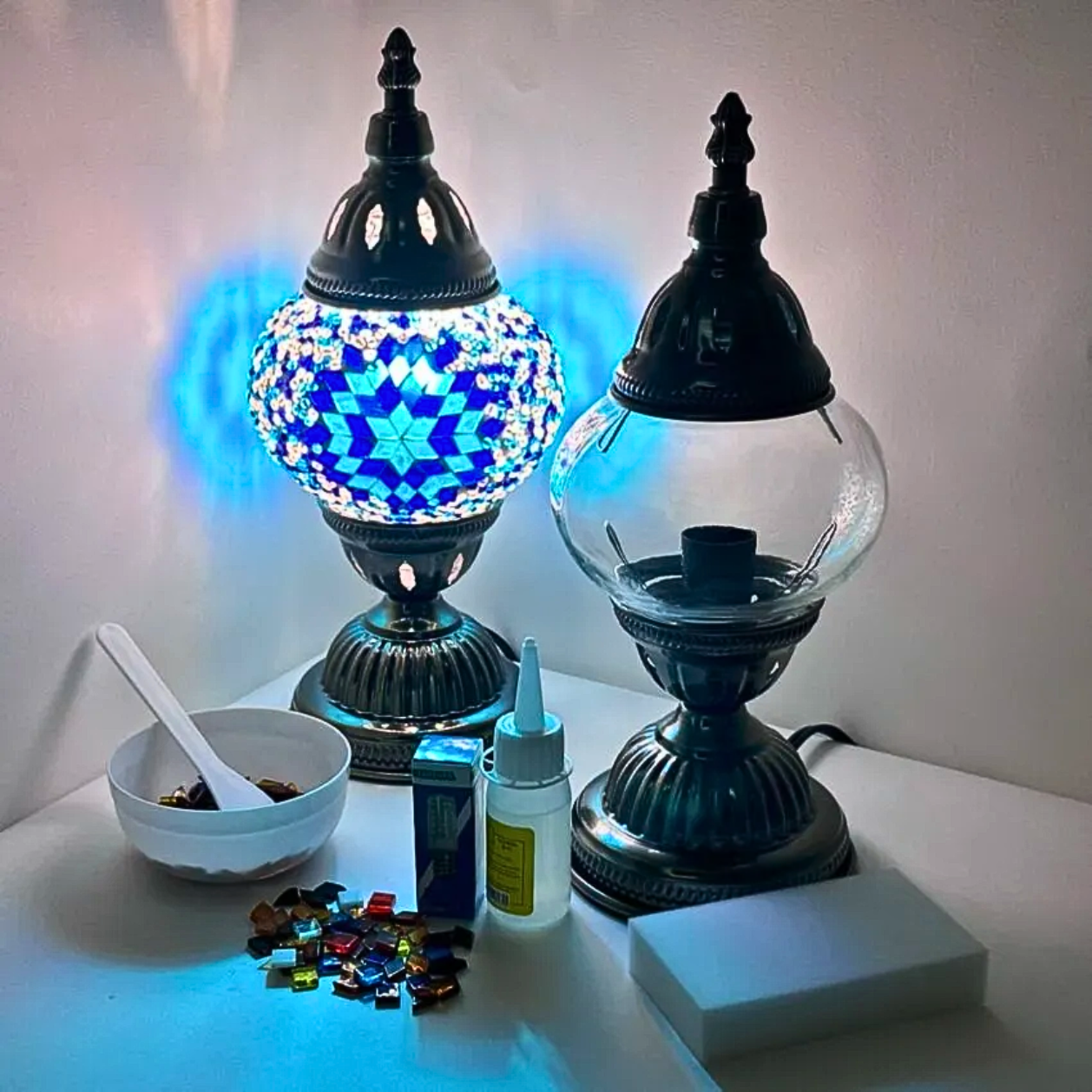
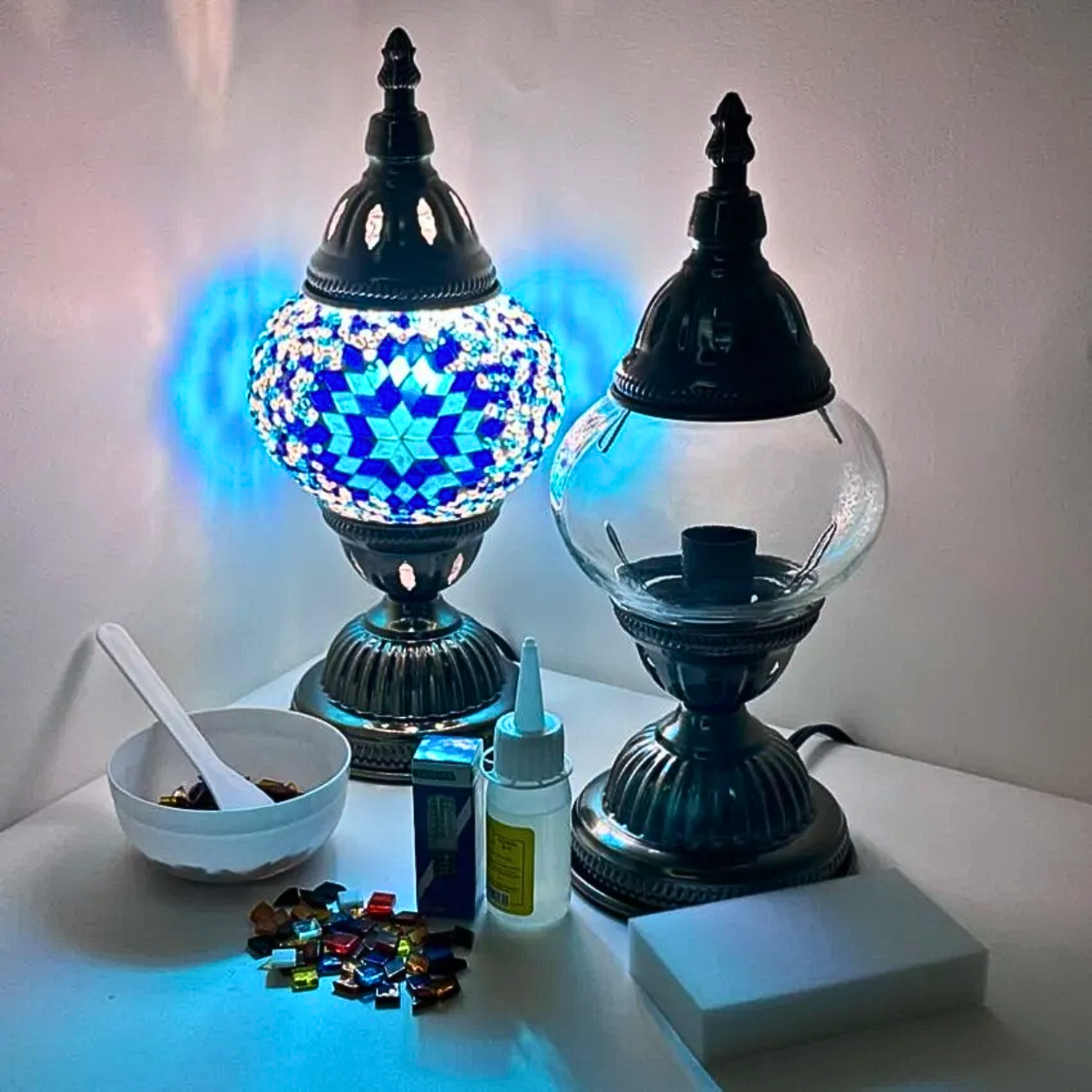
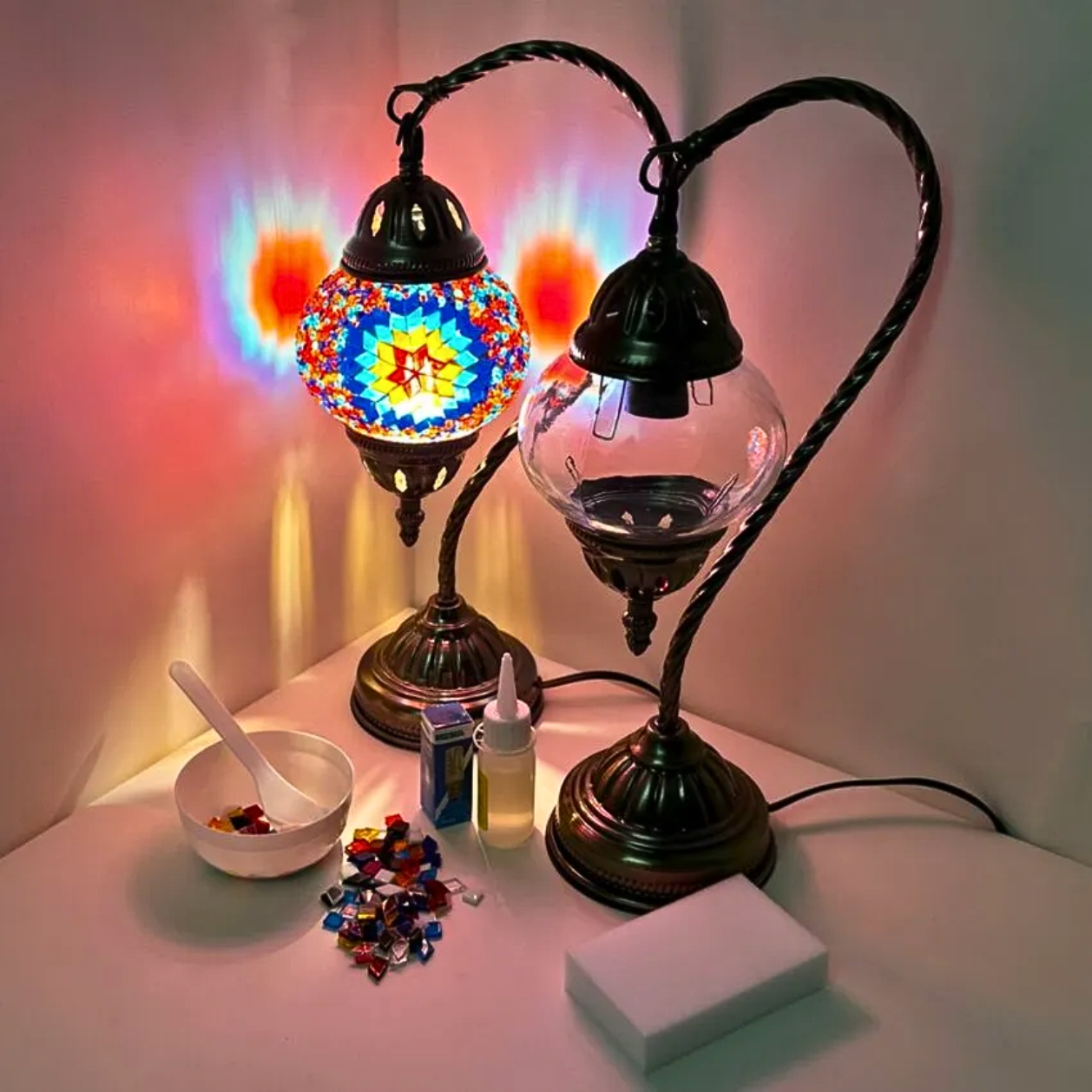
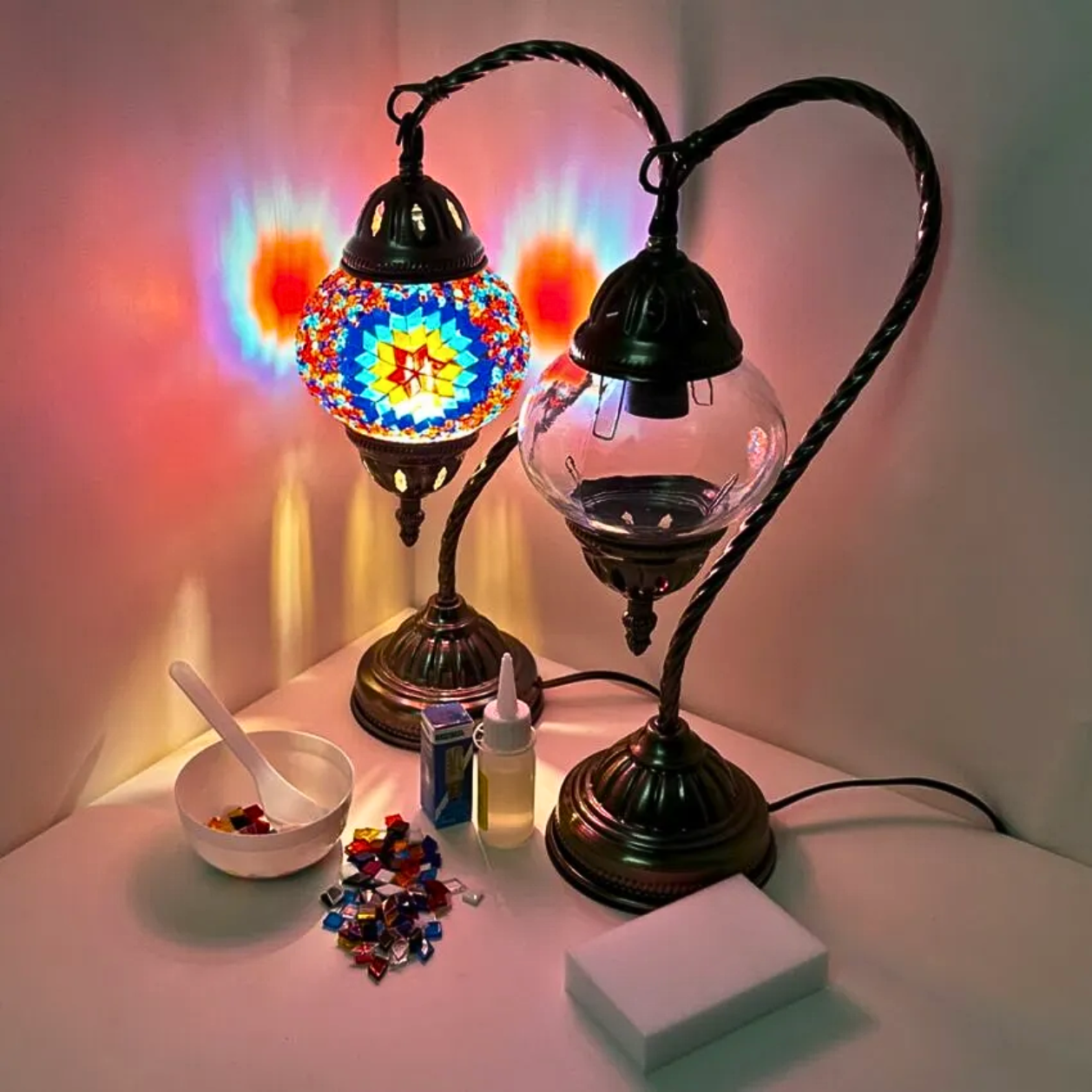
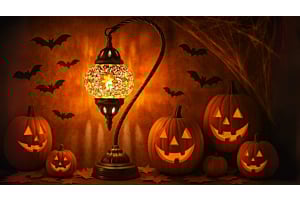
DIY mosaic lamps turn Valentine gifting into an activity rather than a one-time exchange. Instead of simply unwrapping a finished item, couples participate in the process—assembling the pieces, choosing placement, and watching the lamp come to life once it’s lit. This shared experience adds meaning to the gift and creates a memory that lasts well beyond Valentine Week. Once completed, the lamp becomes part of everyday living space, serving as a reminder of the time spent building it together.
From a selling perspective, mosaic lamps offer strong visual and emotional advantages. Lighting naturally draws attention in mall kiosks and event settings, especially during evening hours when illuminated displays stand out. DIY kits further increase perceived value without adding complexity to inventory, making them practical for sellers who need products that explain themselves quickly. As Valentine-focused home décor items and experience-driven purchases continue to gain interest, mosaic lamps provide a balance of creativity, usability, and lasting appeal that works during Valentine Week and long after it ends.
Jewelry That Is Remembered for Meaning, Not Branding
Jewelry remains one of the most consistent Valentine gift categories, but buying behavior has shifted noticeably in recent years. Rather than focusing on brand names or luxury positioning, many shoppers now prioritize meaning—what the piece represents and how it connects to the person receiving it. Especially during Valentine Week, jewelry that communicates care, intention, or symbolism often resonates more strongly than items chosen for their label alone.
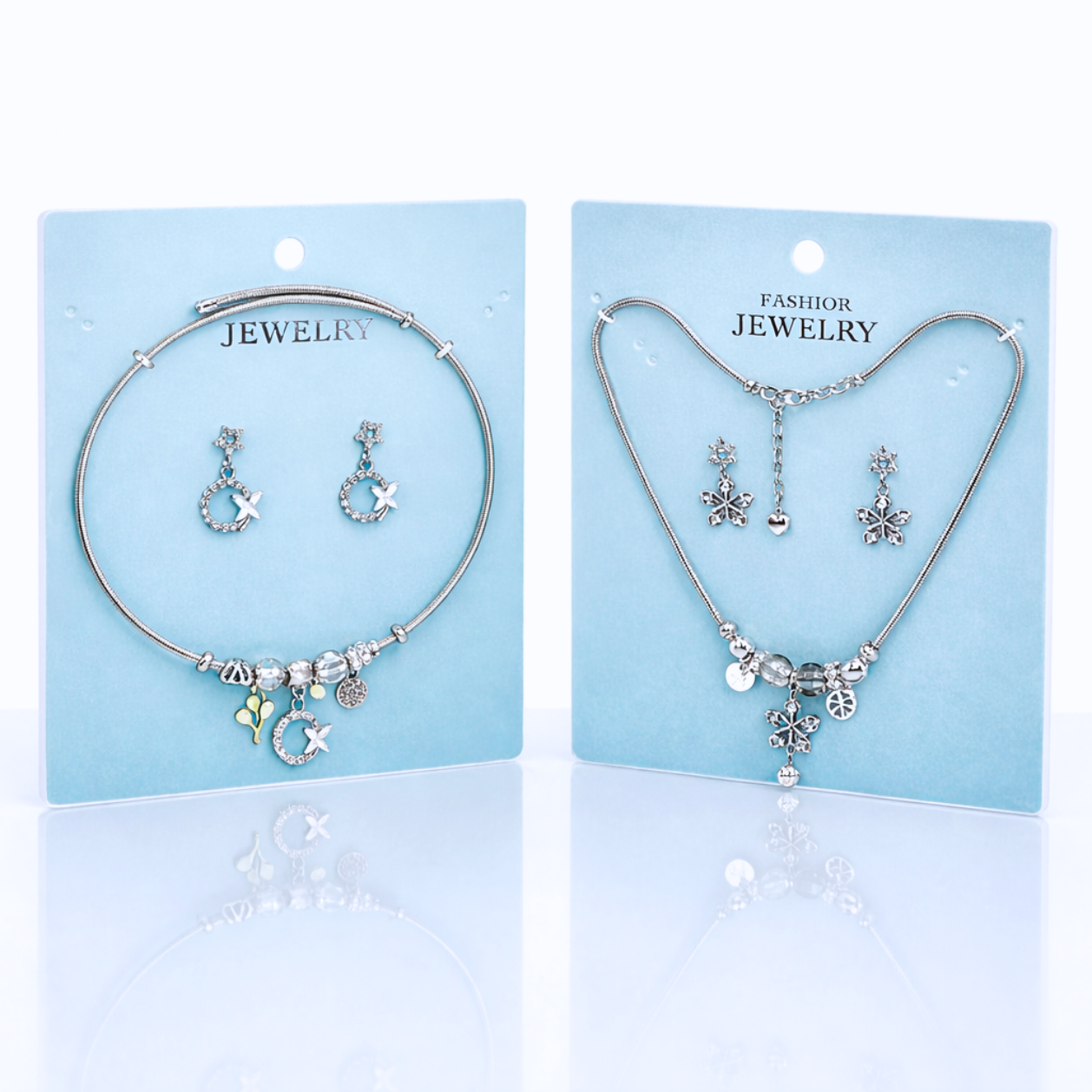
For sellers, this shift is important. Symbolic jewelry is easier to present, explain, and sell in fast-paced environments like kiosks and pop-up shops. These pieces do not require long comparisons or justification; their value is carried by the story behind them. When paired with floral or décor gifts, jewelry often becomes the final decision-maker, turning interest into a completed sale. As shoppers continue to seek meaningful gifts chosen during Valentine Week that feel personal without being overcomplicated, jewelry that emphasizes symbolism over branding remains a reliable and low-risk category for Valentine selling.
Symbolic Jewelry Styles That Carry Meaning Beyond Valentine’s Day
Symbolic jewelry performs well during Valentine Week because it allows shoppers to communicate meaning without needing customization or brand recognition. Pieces that represent ideas such as growth, protection, or personal stories feel intentional, even when purchased quickly. This makes them especially effective in event-based retail, where decisions are often made on emotion and clarity rather than detailed comparison.
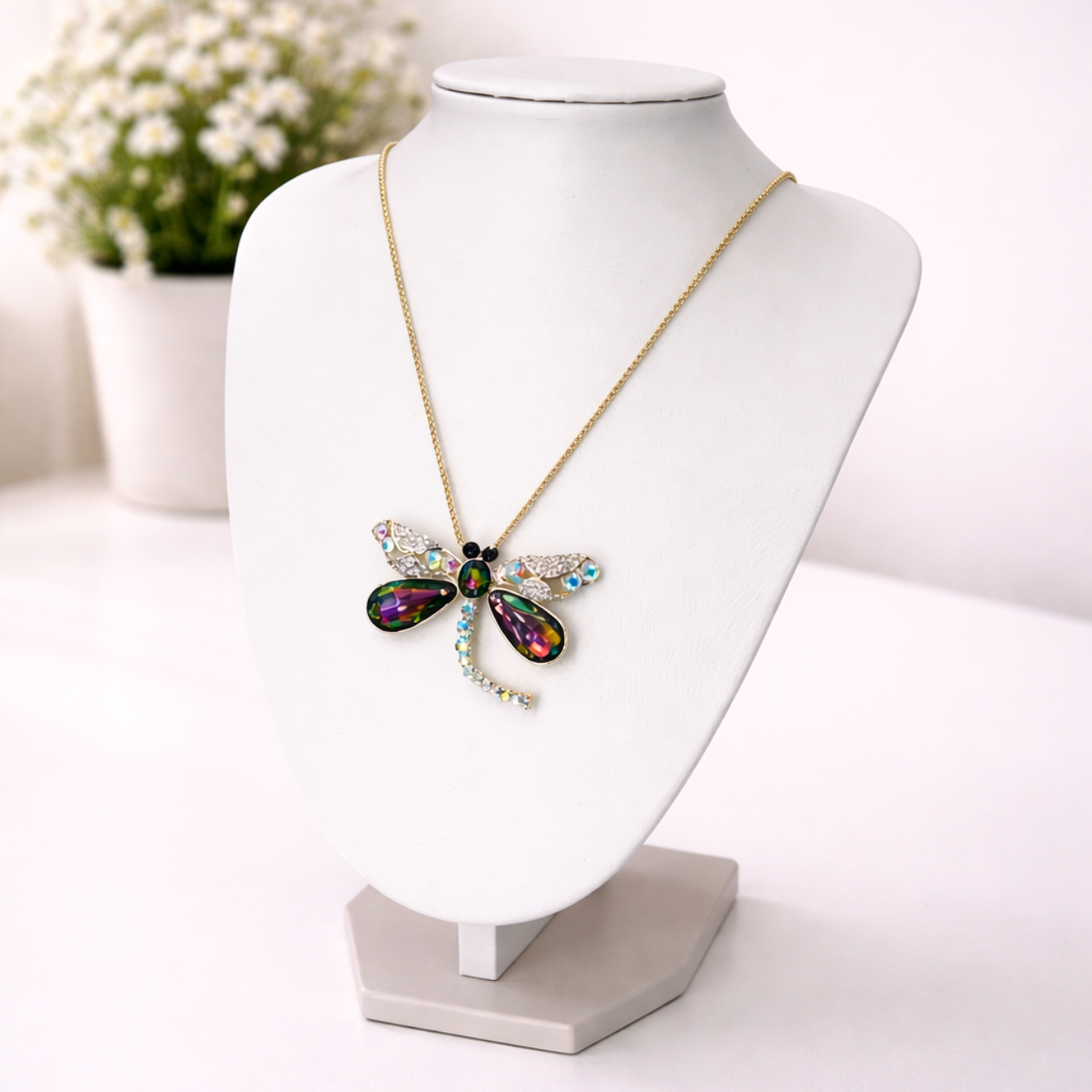
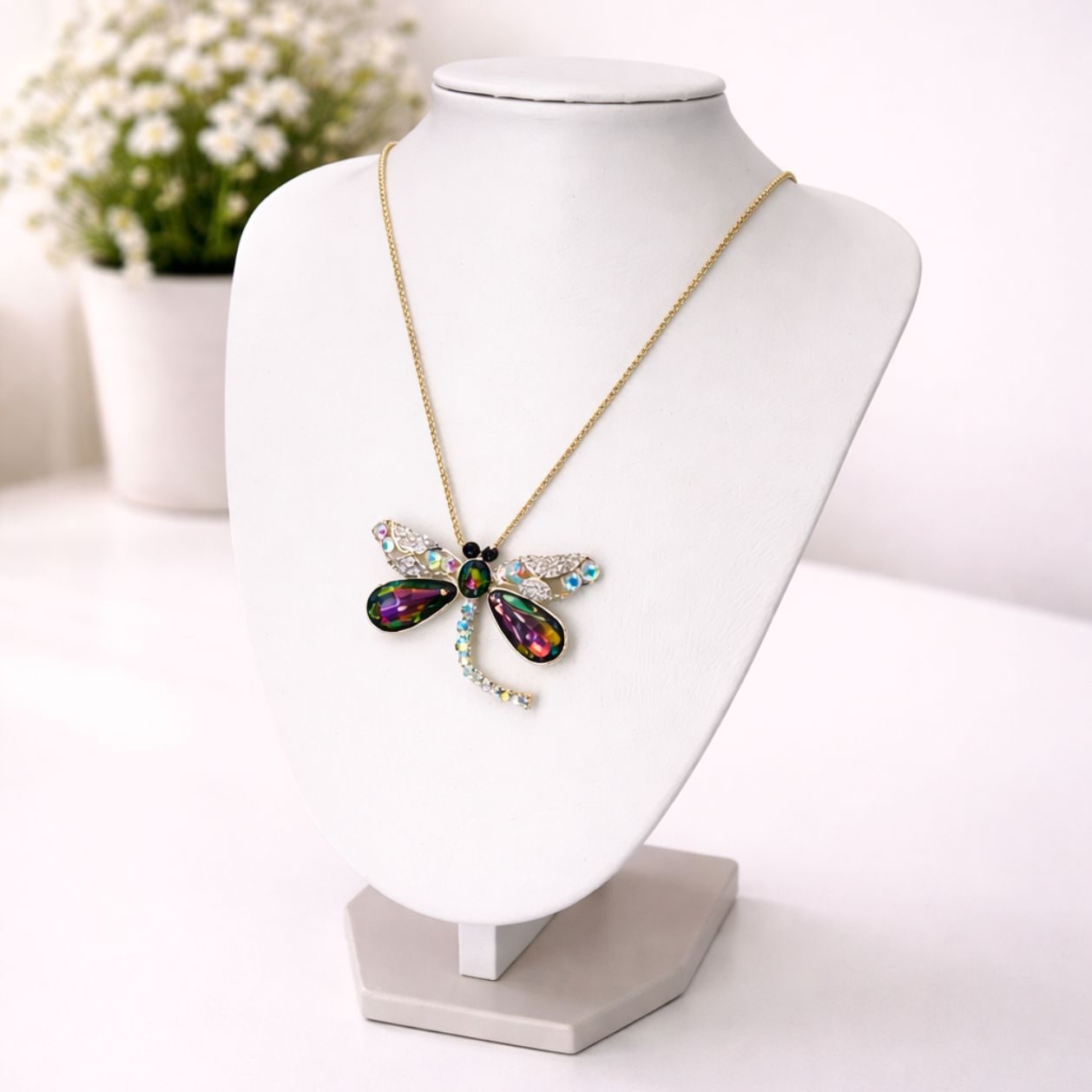
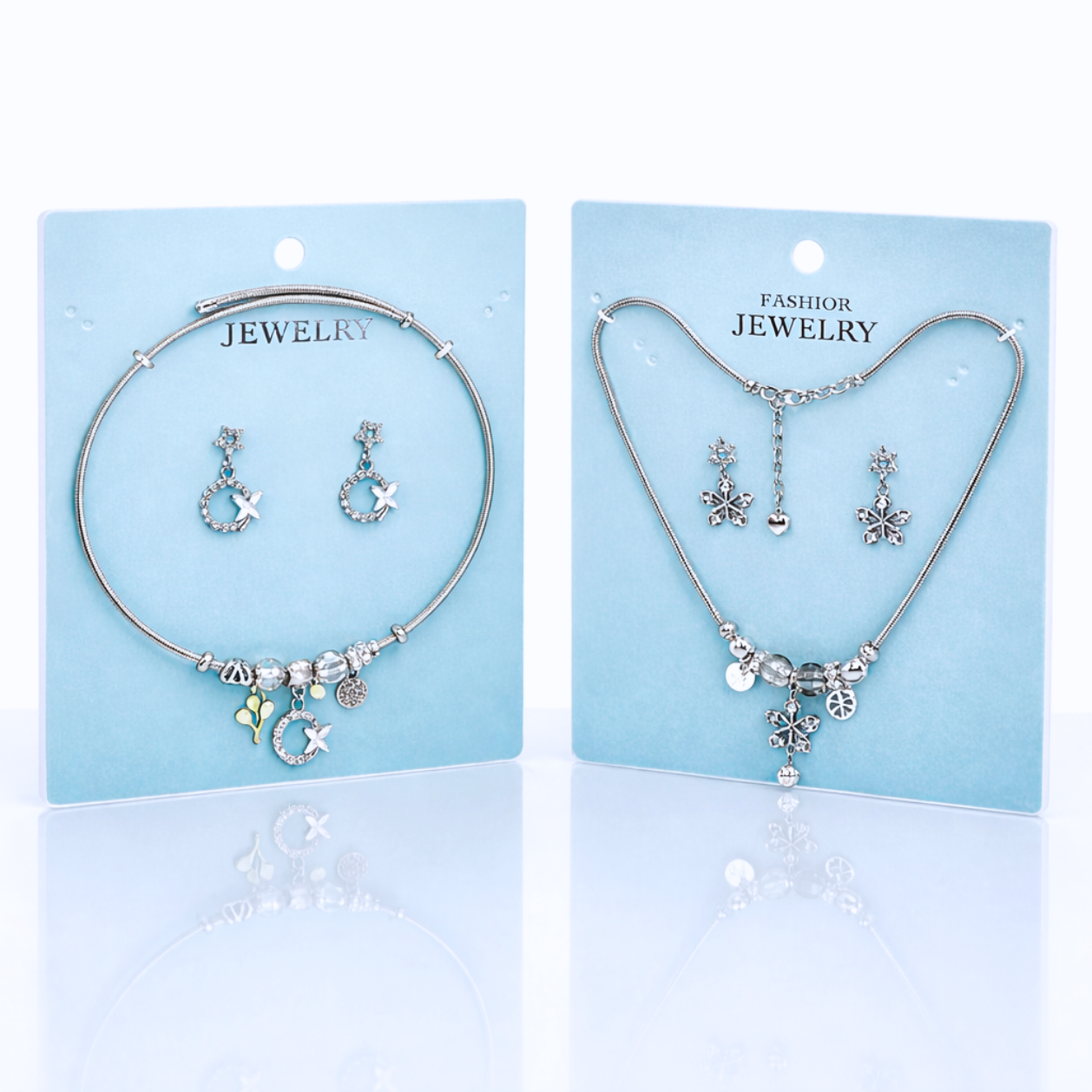
Dragonfly necklaces are often associated with transformation, renewal, and moving forward together, making them a natural fit for couples marking a meaningful moment. Charm jewelry appeals to buyers who value storytelling; each charm can represent a memory, milestone, or shared experience, allowing the gift to grow in meaning over time. Protection-inspired designs, such as evil eye motifs, are chosen not just for style but for the sentiment behind them—wishing care, safety, and well-being. These symbolic styles remain relevant long after Valentine Week ends, giving sellers jewelry options that are easy to explain, versatile to display, and effective as gifts that continue to carry meaning after Valentine Week.
Fast-Moving Valentine Items Sellers Still Use — and Why They Don’t Rely on Them Alone
Certain Valentine items continue to move quickly every year, especially during the final days leading up to February 14. Consumables, novelty gifts, and ready-to-use seasonal items attract last-minute buyers who prioritize convenience over longevity. For sellers, these products can generate short bursts of traffic and fast transactions, particularly in high-footfall locations.
However, experienced vendors rarely rely on these items as their core Valentine inventory. Fast-moving products often come with hidden downsides: narrow selling windows, limited pricing flexibility, and little to no value once Valentine Week ends. When demand drops, sellers are forced to discount aggressively or absorb leftover stock. This is why seasoned event and kiosk sellers treat these items as supporting inventory rather than the foundation of their Valentine strategy. By pairing quick-turn products with longer-lasting seasonal gift items that remain relevant beyond February 14, sellers reduce risk while maintaining momentum throughout the season.
Why Sellers Are More Careful With Valentine Inventory After 2025
The way sellers approach Valentine inventory has changed noticeably since 2025. Rising costs, supply uncertainty, and tighter margins have made small business owners far more deliberate about where they place their capital. Instead of over-buying seasonal products and hoping demand carries them through, many sellers now test smaller quantities and favor items that protect cash flow if sales slow unexpectedly.
This shift has placed greater emphasis on inventory that carries lower downside risk. Products that do not expire, rely on stable materials, and remain visually relevant outside of a single holiday offer sellers more flexibility and peace of mind. For Valentine Week in particular, cautious buyers are choosing items that can perform in multiple contexts—before the holiday, during peak demand, and afterward without heavy discounting. In this environment, thoughtful inventory planning matters just as much as product appeal, especially for sellers operating in temporary retail spaces where every decision has a direct impact on profitability.
A Smarter Way to Approach Valentine Selling — and Choosing a Trusted Supplier
Valentine Week rewards preparation more than impulse. Sellers who perform consistently are not those chasing every fast-moving trend, but those who understand how emotion, visibility, and longevity work together in real-world retail environments. Floral alternatives that last, experience-driven décor, and symbolic jewelry all share one advantage: they continue to create value after February 14, protecting both margins and cash flow.
For mall kiosks, pop-up shops, fairs, and event sellers, choosing the right supplier is as important as choosing the right product. Working with a wholesale partner that understands seasonal selling, inventory risk, and display-driven retail makes planning easier and outcomes more predictable. Buy4store focuses on categories that align with how sellers actually operate—offering long-lasting floral gifts like crochet bouquets and potted designs, experience-based home décor such as DIY mosaic lamps, and meaningful jewelry styles that sell on symbolism rather than branding. For sellers exploring or expanding event-based retail, resources on how to start and structure a mall or event business can also make the difference between a one-time attempt and a repeatable model.

0 Comment(s)