
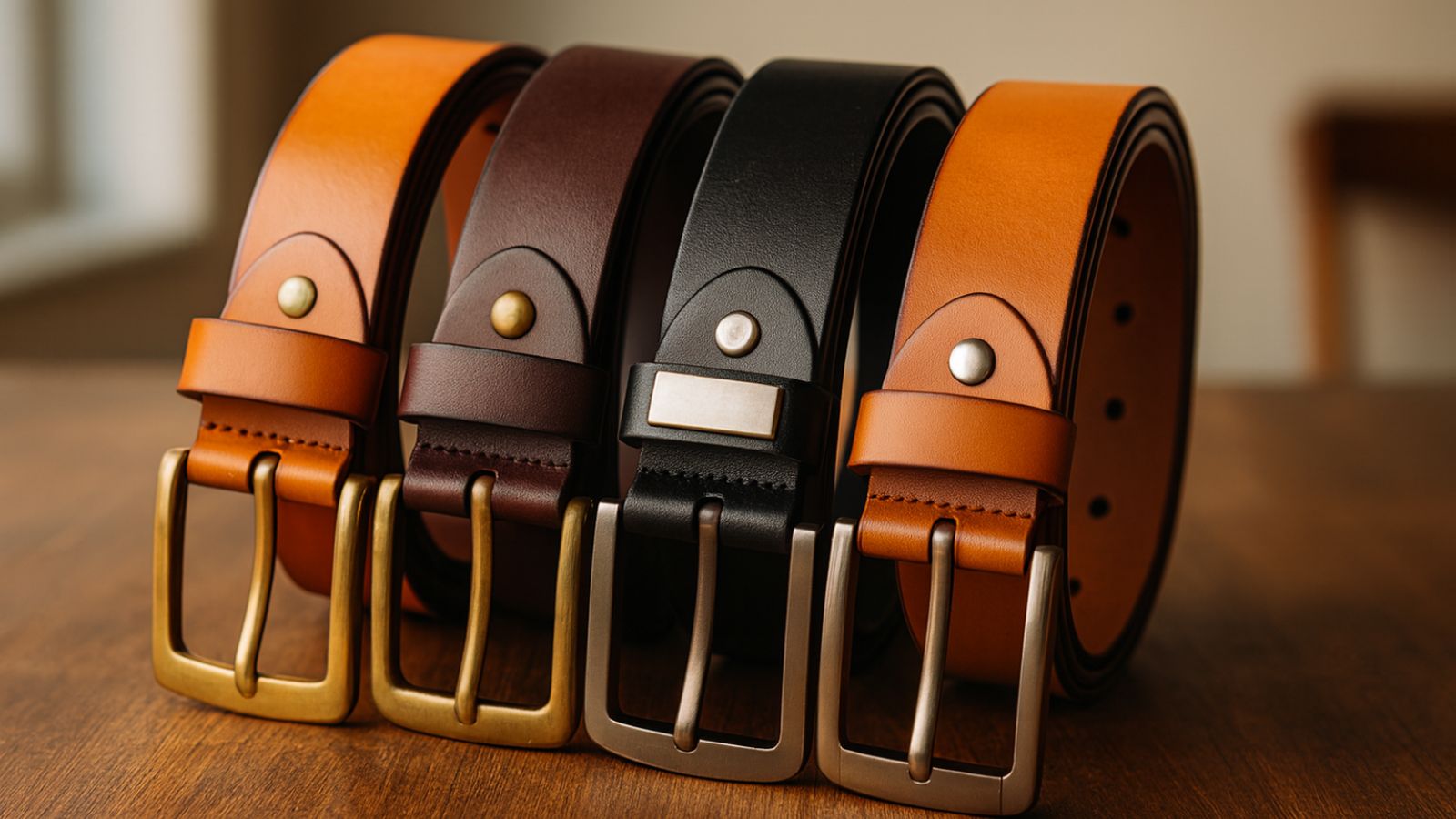
Belts sell for one reason: they’re practical and profitable—if you buy smart. This guide is for retailers and resellers who care about unit economics, not runway fashion talk. We’ll show where wholesale belts fit in a high-margin assortment, which styles actually move (western, rhinestone, studded, ratchet/tactical, kids, classic dress), and how to plan size runs that don’t leave dead stock on your racks. We’ll cover what business buyers actually search for—best suppliers in the U.S., where to buy in bulk, how to keep costs low without gambling on quality—and we’ll be blunt about materials (full-grain vs split vs bonded, PU overlays), stitching, buckle plating, and failure points that trigger returns. Expect actionable tactics: pack ratios by size, seasonal mixes for events and concerts, display setups that increase attachment rates, and cross-sell plays with belt buckles and hats. Throughout, we’ll link to category pages so this post informs and funnels traffic, instead of competing with your commercial pages.
Why Retailers Buy Belts Wholesale
Accessories earn their keep by turning fast without eating space or cash, and belts are the poster child. Buyingbelts in bulk concentrates your cost advantages: lower landed cost per unit, predictable case packs, and fewer supplier touchpoints. Compared to apparel, belts don’t go out of season quickly, size curves are simpler (fewer SKUs to manage), and returns are lower when construction is decent (stitching, edge paint, buckle plating). Belts also attach easily at checkout—place a compact belt rack near mirrors, fitting rooms, or hat displays and you’ll lift average order value without adding labor. For event sellers and western shops, belts pair naturally with buckles and hats; for boutiques, rhinestone and fashion belts behave like giftable add-ons; for workwear/outdoor, ratchet and tactical styles solve real problems, which keeps repeat customers coming back. Wholesale purchasing also stabilizes replenishment: consistent pack ratios prevent dead sizes, and you can schedule monthly or bi-monthly top-ups rather than chasing one-offs. Freight math works in your favor too—belts cube efficiently, so a single carton can refresh a lot of pegs. Bottom line: the category offers durable sell-through, flexible merchandising, and dependable margin—if you enforce quality minimums and keep a disciplined mix of everyday basics plus a few statement SKUs that stop traffic.
MEN'S BELTS
RATCHET BELTS
TACTICAL BELTS
Best Selling Styles of Wholesale Belts
When you build a belt wall for resale, don’t guess—pattern it around best selling belt styles that perform across venues and seasons. In most stores, a three-bucket mix wins: everyday basics (plain leather/synthetic), statement fashion (rhinestone, studded, oversized buckles), and functional (ratchet, tactical). Western shops and event vendors skew heavier to western and statement; boutiques lean fashion with a small core of everyday wear; workwear/outdoor favors tactical and ratchet with a limited dress/basic run. Keep widths diversified (1", 1.25", 1.5", and a few wide pieces) and prioritize construction that resists returns: clean edge paint or burnish, consistent stitching, buckle plating that won’t flake, and holes that don’t tear after week one. Color runs should mirror demand—black and brown lead volume, but don’t ignore fashion tones in controlled quantities to keep the display fresh. Size curves need discipline: stock more M/L/XL, fewer extremes, and lock pack ratios so reorders don’t strand you with odd sizes. Finally, plan adjacency. Belts attach best next to hats, buckles, and mirrors; cross-signing (“Complete the look”) can lift attachment rates without discounting. The takeaway: build a stable spine of basics, layer in attention-grabbing styles for velocity, and reserve a slice for functional solutions that keep repeat customers coming back.
Western Belts
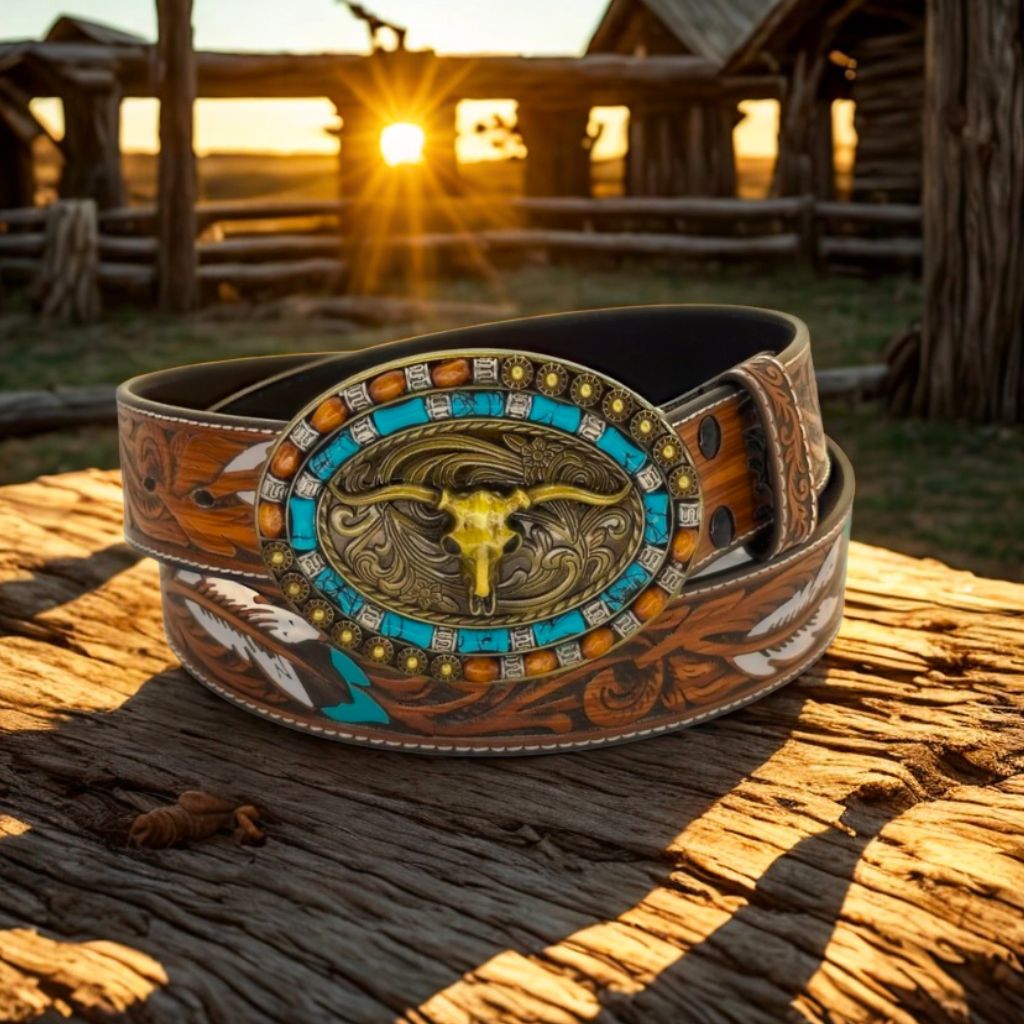
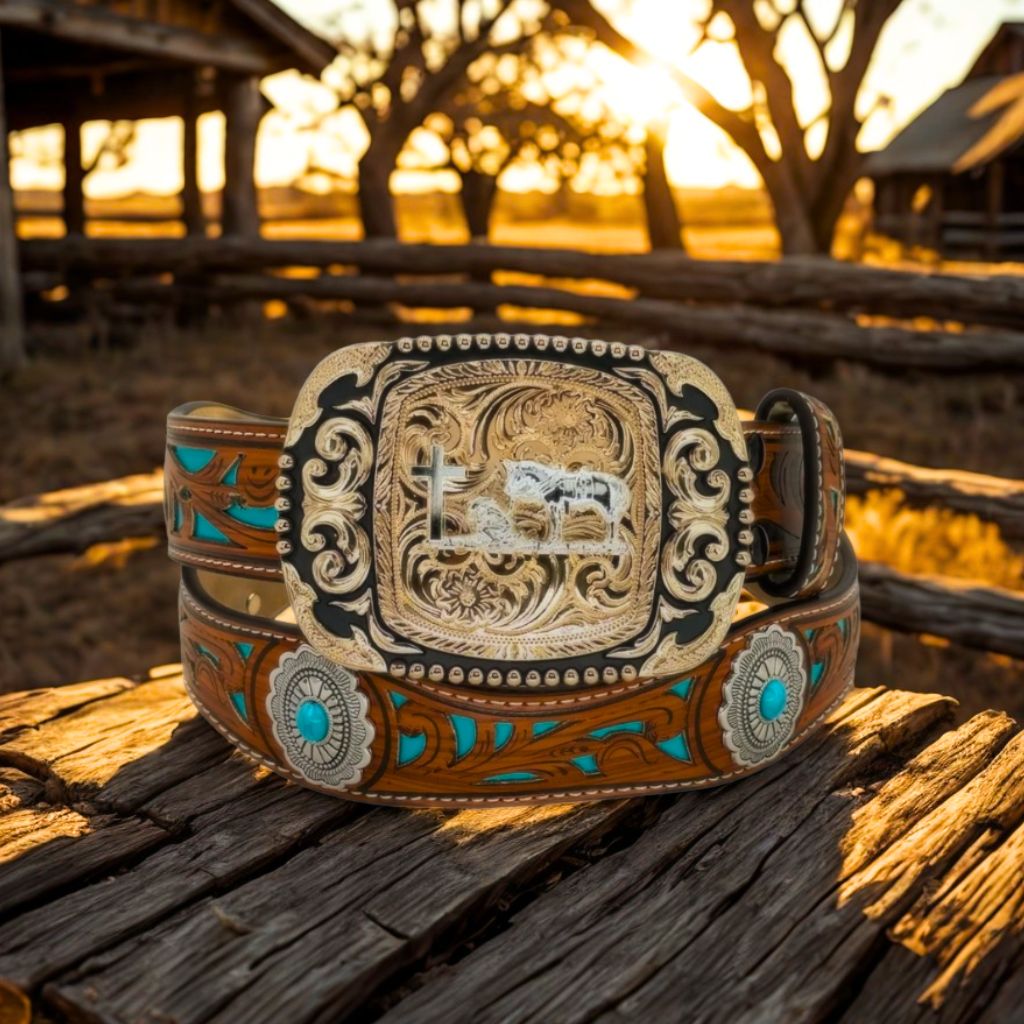
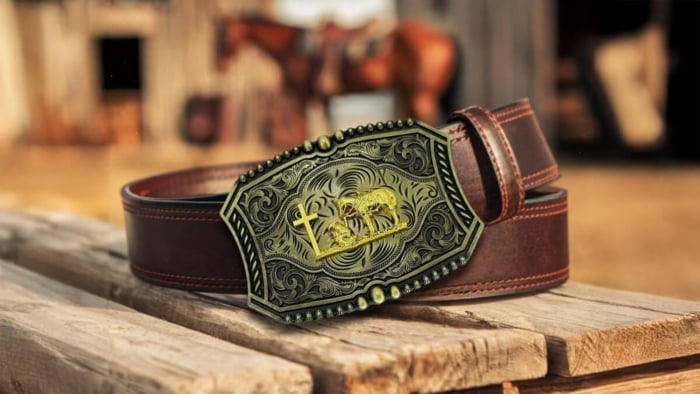
If you sell to rodeo crowds, country concerts, fairs, or western shops, this category is your traffic magnet. The playbook for wholesale western belts is straightforward: wide straps (1.5"–1.75"), visible tooling or embossing, contrast stitching, and buckles that read from six feet away. Prioritize real leather or high-quality PU with clean edge finishing; weak edge paint and thin backing drive week-one returns. Offer interchangeable buckle options and a tight motif set (classic scrollwork ovals, rodeo themes, initials, animals, flags) so customers can swap looks without rebuying the strap.
Merchandising is simple and effective: place belts beside buckles and cowboy hats, with a mirror at eye level and a small “Try me” sign. Size curves should lean M/L/XL, with limited XS/XXL; color runs anchored in black and brown, plus a few distressed/tan/two-tone pieces for perceived value. Use pack ratios that include one “showpiece” (heavy conchos/rhinestones) to stop traffic, supported by two to three quieter patterns that actually turn. Reorder winners fast, cut motifs that stall, and keep patterns fresh—stale pegs kill productivity.
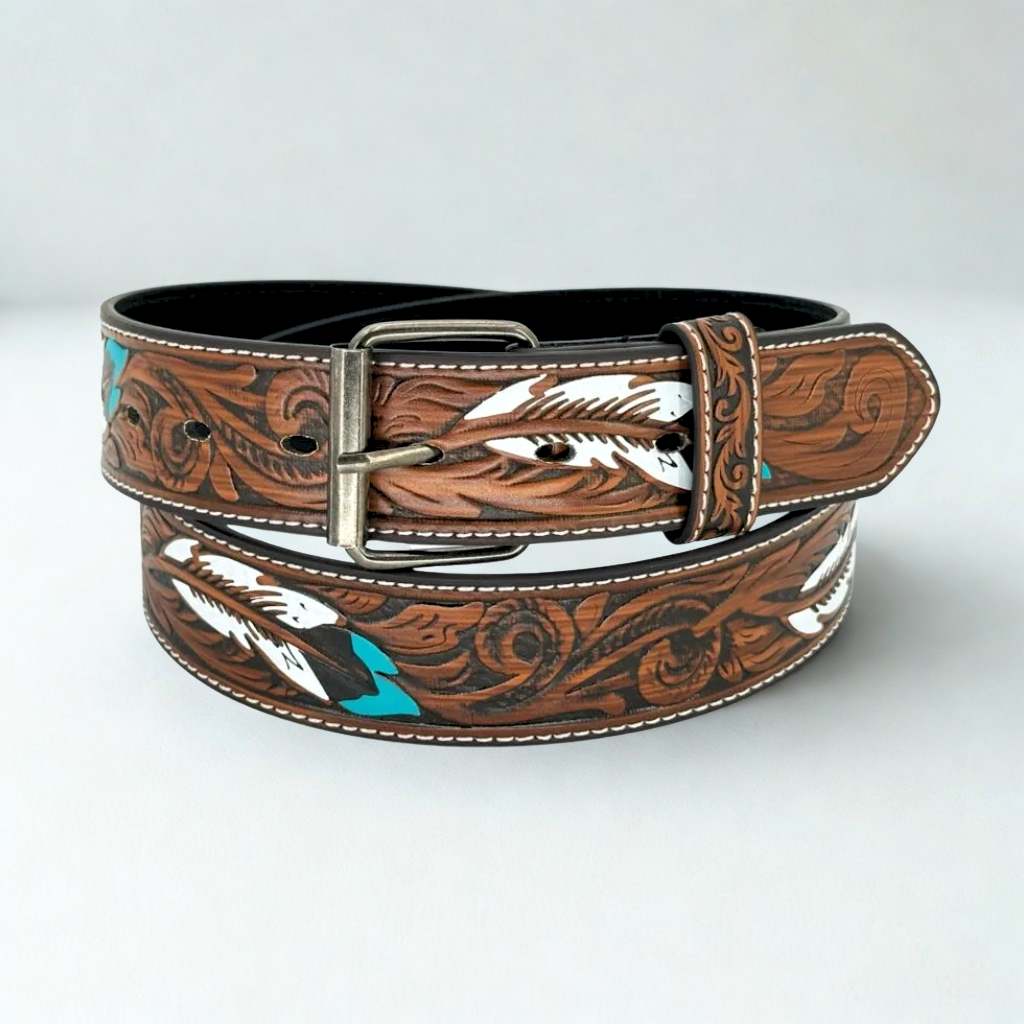
WESTERN BELTS
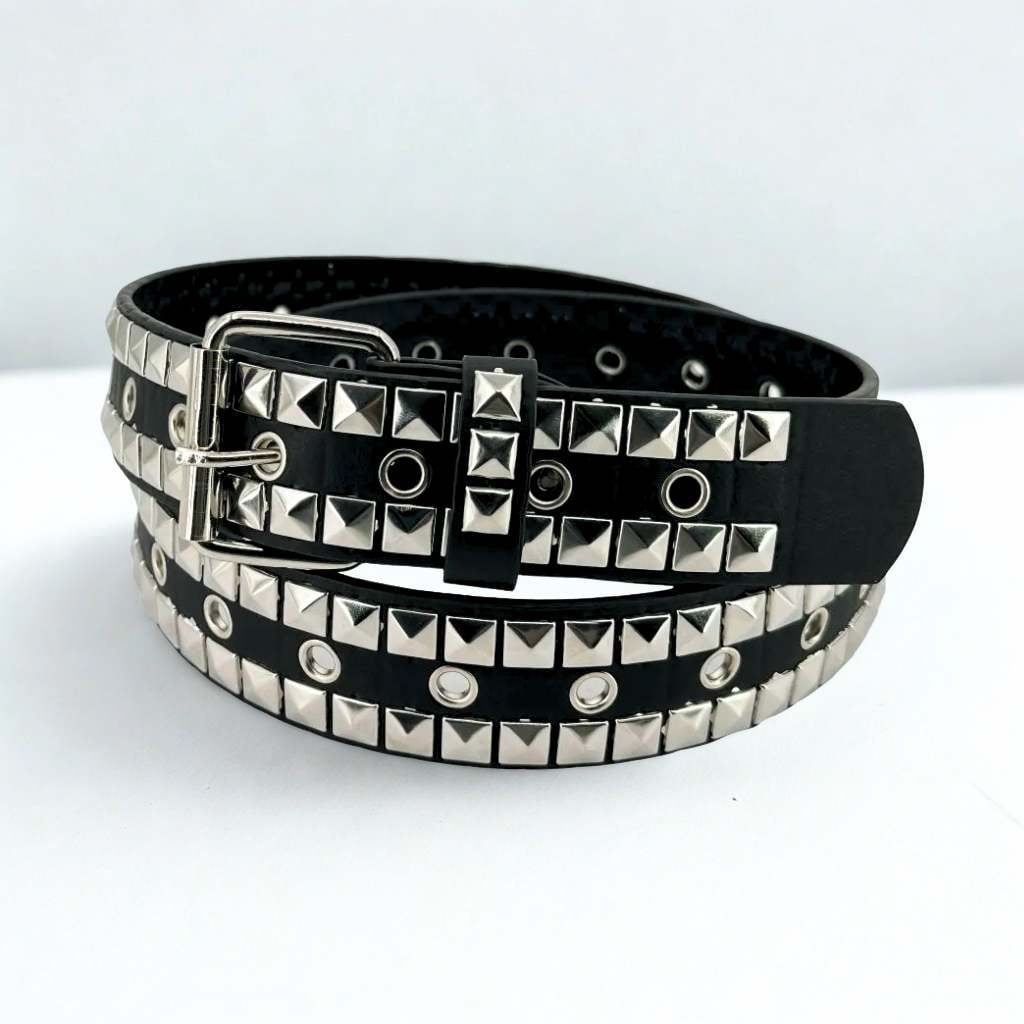
STUDDED BELTS
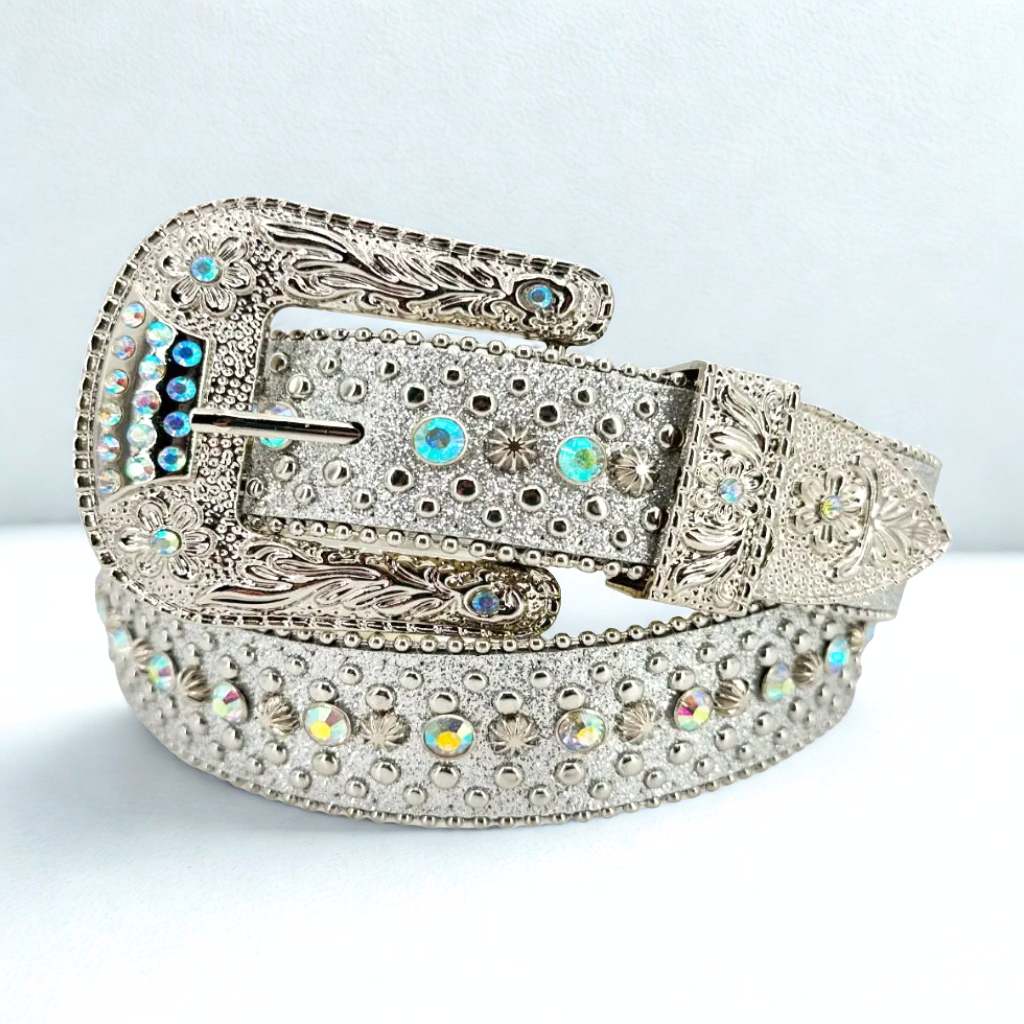
RHINESTONE BELTS
Studded and Rhinestone Belts
Boutiques and festival vendors rely on sparkle to stop foot traffic, and buying wholesale rhinestone belts do exactly that—if construction holds up. Prioritize dense stone placement with secure prong or channel settings (glue-only is a return waiting to happen), even stud spacing, and buckle plating that won’t flake under handling. Offer two price tiers: an impulse tier with lighter hardware for volume, and a premium tier with heavier conchos, multi-row stones, or unique patterns for higher tickets. Widths from 1.25" to 1.5" sell broadly; carry one or two wide “runway” pieces to anchor the display. Color strategy: anchor in black and brown for velocity, then rotate limited runs (white, metallics, hot pink) to keep the wall fresh without stranding capital. Pack ratios should skew toward core sizes (M/L/XL) and limit extremes.
Merchandising needs light but deliberate theater. Position belts near mirrors, handbags, and jewelry to trigger “complete the look” add-ons. Use one mannequin waist form or a simple belt bar at eye level—customers need to see the sparkle from six feet away. For events, pre-tag a few styles with bundle prompts (“Hat + Belt Save 10%”) to lift attachment rate without deep discounting. Quality control is non-negotiable: tug-test stones and studs on receipt, check solder joints on buckles and keep a small repair kit for loose screws during shows. Reorder winners quickly, cull slow patterns, and rotate accents monthly; this category sells on novelty and shine, and stale assortments kill momentum.
Ratchet and Tactical Belts
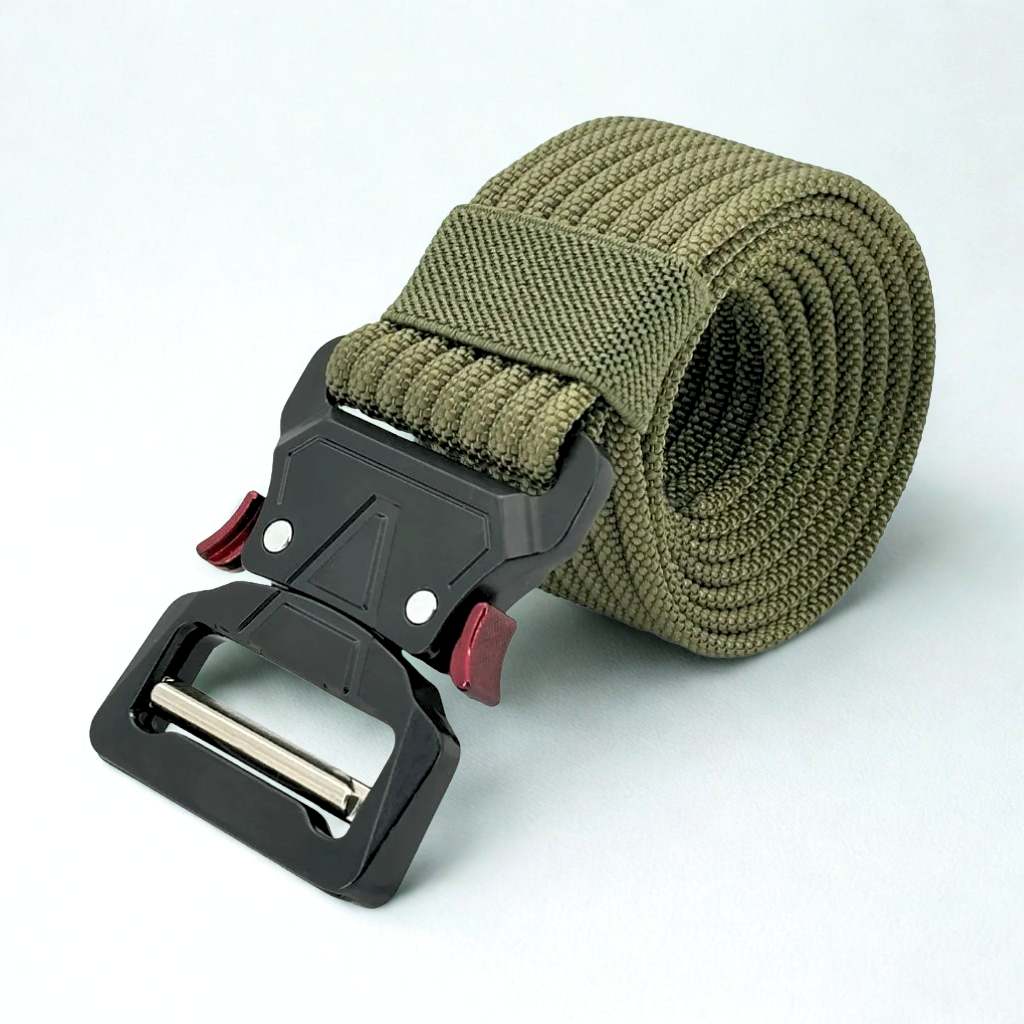
For utility-focused customers—workwear, outdoor, EDC—wholesale tactical belts are dependable margin builders when construction is right. Look for dense nylon webbing (two-layer or reinforced), bar-tack or box-stitch stress points, and buckles that won’t slip under load. Quick-release styles (Cobra-type, forged alloy, or high-grade acetal) move well with buyers who wear tools or carry gear; just don’t overpromise on load ratings unless they’re documented. Offer both stiffened duty belts (for holsters/pouches) and more flexible daily-wear versions that still hold shape. Color strategy is straightforward: black and coyote/tan lead, with occasional olive or gray. Size mix can be simplified with cut-to-fit straps plus clear trimming guides; pre-sized options should favor M/L/XL. QC on arrival: yank-test the buckle clamp, check webbing melt ends for fray, and cycle the release mechanism 20–30 times to expose weak springs or pins.
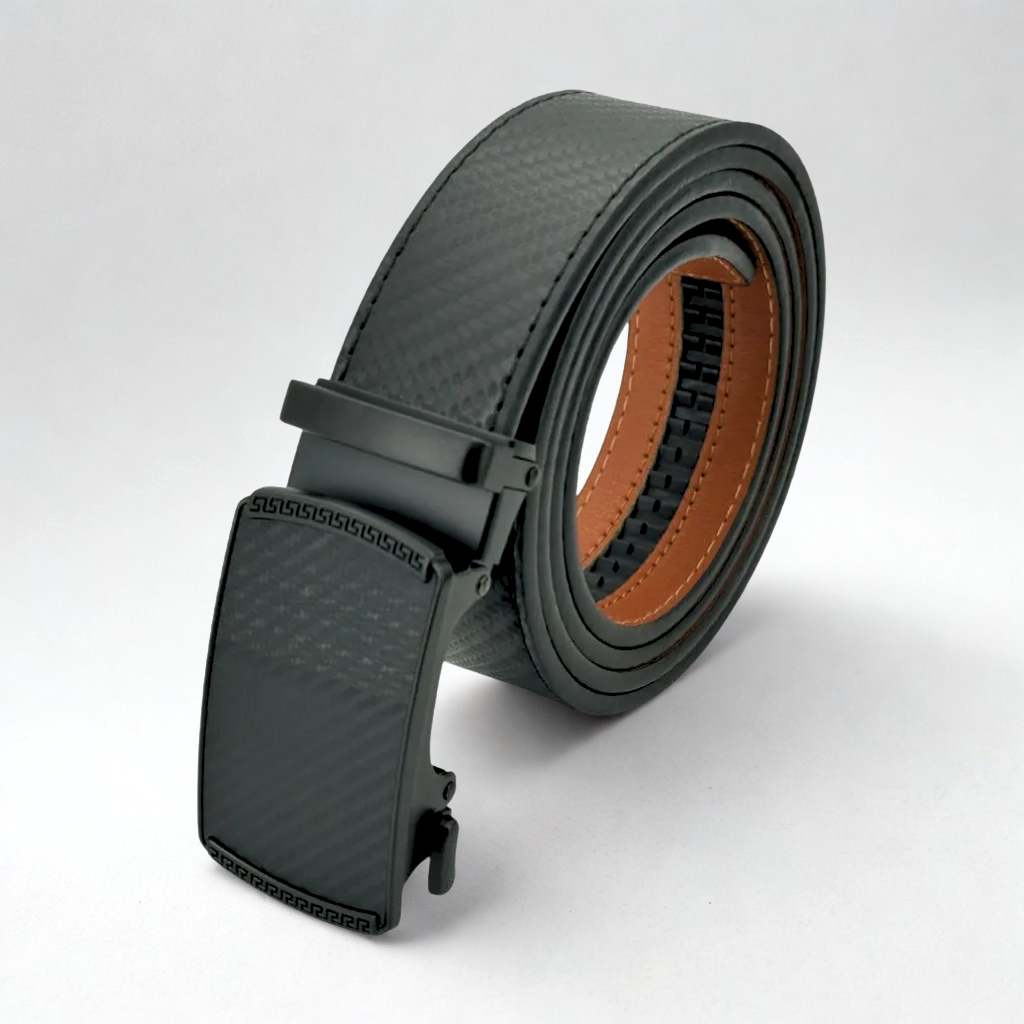
Ratchet belts are the sleeper hit in general retail: micro-adjust tracks (often 1/4" increments) solve the “in-between sizes” complaint and reduce returns. Stock two lanes—dress/casual leather-look straps with brushed buckles, and rugged matte or webbing executions for everyday use. Merchandising is compact: a head-level demo bar where shoppers can “click” the ratchet sells more than signage. Include trim cards and a short fit graphic to de-risk cut-to-fit models. For events and pop-ups, pre-size a portion to speed checkout. Bundle strategy: position ratchet next to wallets and men’s accessories; place tactical by work gloves, tools, or outdoor gear. Reorder cadence should be tight—these categories benefit from repeat buyers replacing worn belts or buying second colors, so don’t let pegs go empty.
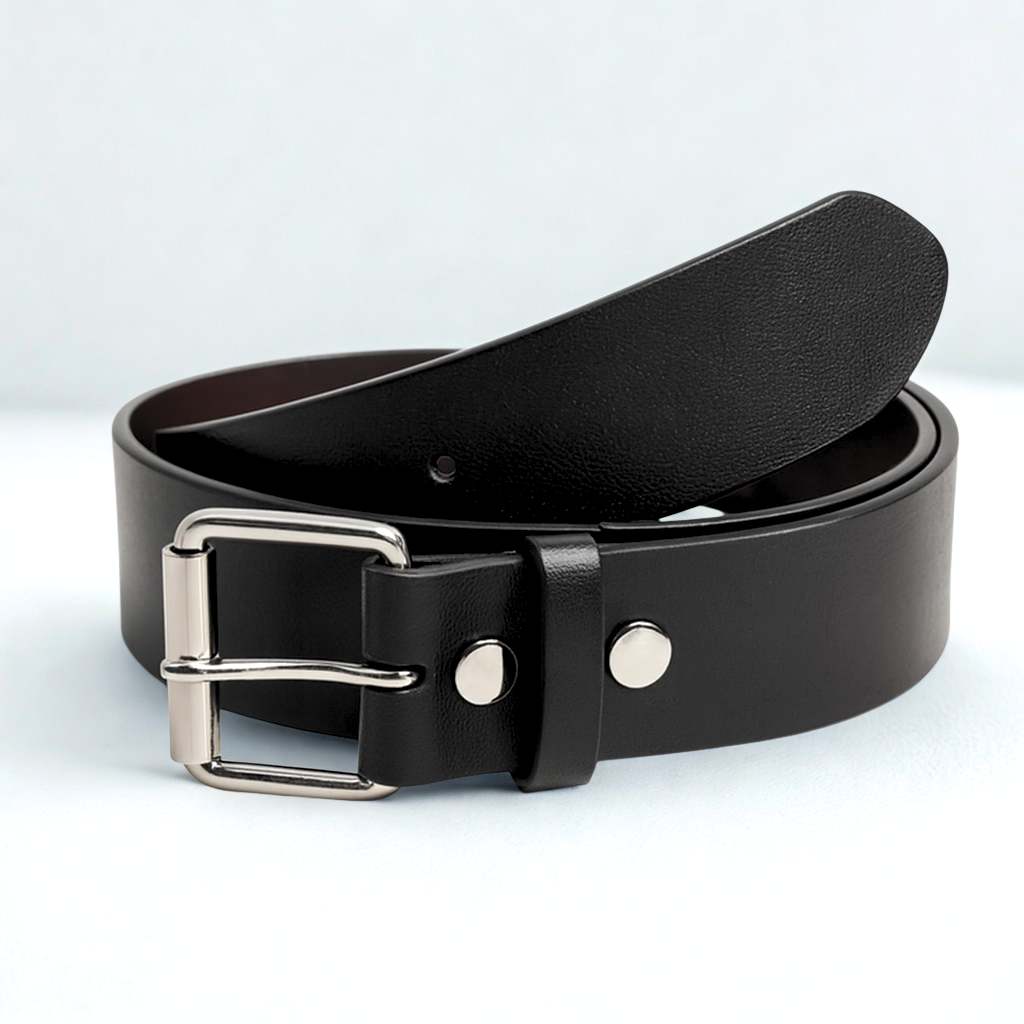
BELTS WITH REMOVABLE BUCKLE
BELTS FOR KIDS
WOMEN'S BELTS
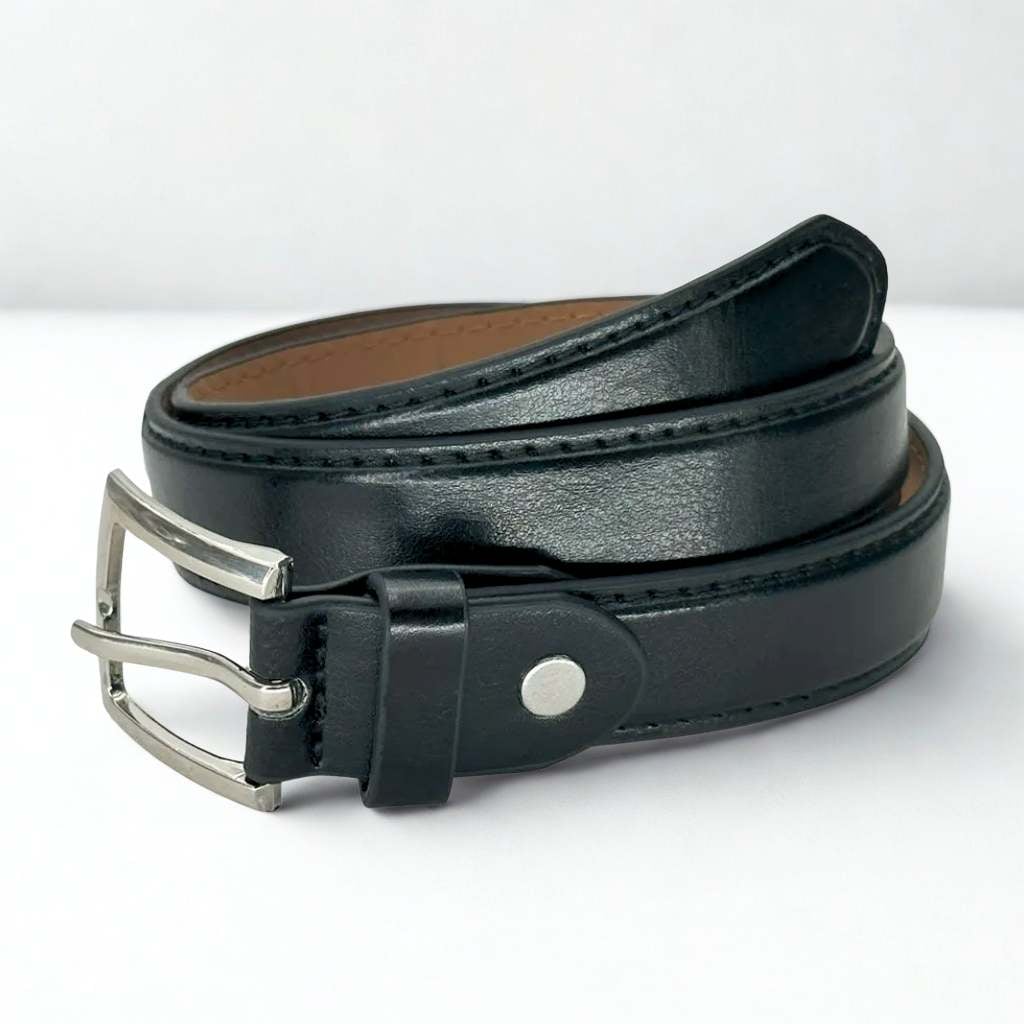
Belts for Kids
Parents buy on fit and durability; kids buy on color and character. That split is your merchandising edge with wholesale kids belts. Focus the assortment on flexible size coverage and abuse-resistant construction: reinforced hole areas, smooth edge paint that won’t crack, and buckles without sharp corners. Cut-to-fit straps (with clear trim marks) reduce returns for gift shops and general retailers; pre-sized packs should concentrate on S/M with lighter L—avoid extremes that stall. Materials: high-quality PU or bonded leather with a stable backing is fine at this price tier; if you carry fabric/webbing options, make sure the weave is tight so the D-ring or slide buckle doesn’t slip. Color strategy should anchor in black/brown for school uniform requirements, then rotate fun accents—pastels, metallics, team colors, and simple motifs (stars, hearts, dinosaurs). Keep graphics generic to dodge licensing headaches.
Merchandising is about visibility and speed. Put one waist-form mannequin at kid eye level and a small mirror nearby; it cuts staff time and drives try-ons. Hang size tags that are readable from three feet and color-code by size to help parents self-serve. Bundle with kids’ hats, suspenders, or small gifts at the register to lift attachment rate. QC on receipt: tug-test the buckle tongue, flex the strap near the holes ten times to spot weak edge paint, and check rivets for wobble. For events and pop-ups, pre-size a subset and pre-price to reduce checkout friction. Finally, reorder cadence should be tight—parents replace belts after growth spurts, so keep the core basics in stock and rotate just a few novelty colors each month to keep the display fresh without tying up cash.
Classic Leather and Dress Belts
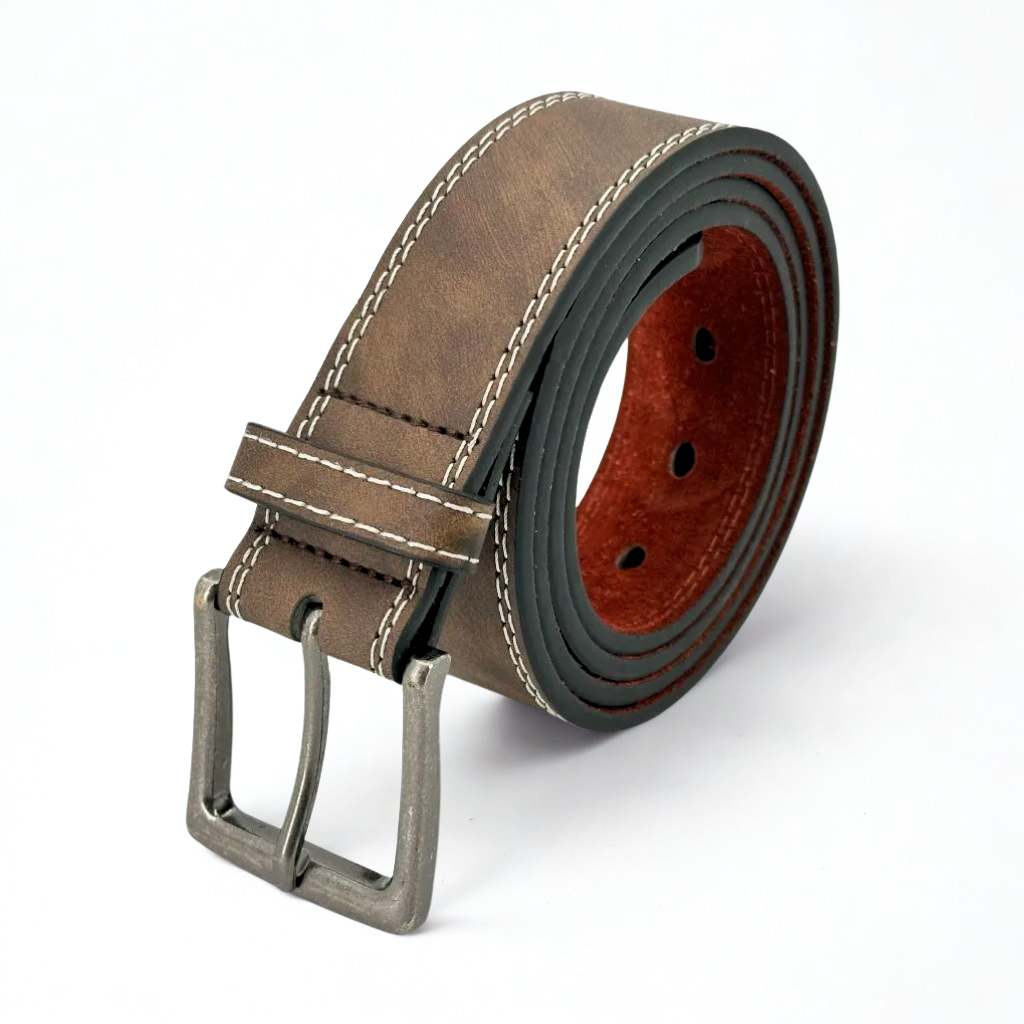
For bread-and-butter volume, nothing beats wholesale dress belts—but only if you’re ruthless about construction and sizing discipline. Prioritize full-grain or top-grain leather for premium lanes, and high-grade split with quality backing for value tiers; avoid flimsy bonded leather that cracks at the holes and nukes your return rate. Edge finishing is a tell—clean burnish or stable edge paint, no waves. Buckles should be brushed or polished zinc alloy with solid tongues; cheap plating flakes, and customers notice. Widths of 1"–1.25" cover most dress use; keep a 1.5" lane for business-casual. Colors: black and brown carry 80–90% of demand, with occasional tan or oxblood to refresh the wall without stranding inventory. Size curves should load M/L/XL; keep S and XXL tight. If you stock cut-to-fit, include clear trim guides and offer both single-stitch and feather-edge looks to hit different tastes.
Merchandising is straightforward and profitable. Place dress belts near wallets, ties, and men’s shoes; use a slim peg rack with size markers readable from three feet and a mirror at eye level. Bundle prompts (“Belt + Wallet Save 10%”) lift attachment rates without training staff. For uniform and corporate accounts, pitch simple SKUs with locked pack ratios so reorders are frictionless; reliability matters more than novelty. QC on receipt: bend the strap 180° near the holes to check for surface cracks, pull-test the buckle tongue, and inspect stitching for skipped threads. Maintain a two-tier price strategy (value and premium) so you can trade customers up without losing the budget shopper. Replenish monthly—dress belts don’t chase trends, they reward consistency.
Where to Buy Belts in Bulk at the Best Prices
You don’t find the best wholesale belts company by chasing the lowest unit price—you find it by minimizing total landed cost and risk. Prioritize U.S.-based inventory with consistent fill rates, transparent pack ratios, and clear spec sheets (strap material and thickness, stitch density, edge finish, buckle alloy/plating). Ask for real photos or samples, then stress-test: bend near the holes, tug the tongue, and rub the edge paint. Evaluate per-unit landed cost with freight, duties (if importing), defect allowance, and expected return rate; “cheap and quality belts” exist when construction passes these tests and the vendor can actually replenish. Lead times and reorder minimums matter more than headline price—empty pegs cost more than a few cents saved. For retail operations, require hanger-ready packaging, readable size tags, and UPCs; for event sellers, insist on cut-to-fit options and pre-sized packs to speed checkout. Validate service signals: response time, fill-rate history, clear damages policy, and whether they provide CSV/EDI stock feeds for easy reorders. Keep a two-tier strategy (value line for volume, premium line for margin) so you’re not held hostage by a single price point. Finally, run a 60-day trial: buy conservative, track sell-through and defects, and only scale the SKUs and suppliers that prove they can ship complete, on time, and consistent.
How to Choose the Right Mix for Your Store
Start with the customer you actually serve, not the catalog you wish you had. For bulk belts for resale, build a spine of basics, add a visible layer of statement styles, and reserve a lane for functional solutions. As a baseline, allocate roughly 40% classic/dress, 35% western + fashion (studded/rhinestone), and 25% functional (ratchet/tactical/kids). Western shops can flip that to 20/55/25; boutiques lean 30/55/15; workwear/outdoor sits closer to 25/20/55. Size curve for adults: weight M/L/XL, keep S/XXL tight; a simple 1–2–3–3–2–1 ratio across sizes works. Where possible, use cut-to-fit ratchet straps to reduce stranded sizes. Color: anchor black/brown (about 90% combined) and drip a controlled 10% in tans/metallics/seasonal tones to keep the wall fresh without burning cash. Adopt min–max par levels per style, reorder bi-weekly, and kill underperformers that don’t clear two turns per quarter. Merchandising is not optional: belts belong next to buckles, hats, wallets, a mirror at eye level, and clear size markers readable from three feet. Price with a two-tier approach (value/premium) so you can trade up without losing the budget buyer; bundle prompts (“Belt + Buckle” or “Hat + Belt”) lift attachment rate without blanket discounting. Finally, test in small bites—order tight, measure sell-through and defects for 30–60 days, then scale only what proves it deserves peg space.
Why Buy4store is One the Best Wholesale Belts Supplier in the U.S.
If you’re choosing a supplier on headline price, you’ll bleed margin on defects, delays, and empty pegs. Pick a partner that reduces total cost and operational friction. As a wholesale belts supplier USA, Buy4store focuses on what moves the needle for retailers: U.S.-based inventory for predictable fill rates, competitive bulk pricing without games, and clear specs (strap material/thickness, stitch density, buckle alloy/plating) so you know what you’re buying. Case packs are consistent and barcoded; sizing labels are readable from a distance; many styles are hanger-ready to save labor at the store. We don’t assume quality—belts are checked for edge paint stability, hole reinforcement, buckle tongue tolerance, and finish consistency before they hit your wall. Replenishment is practical: stable SKUs, sane MOQs, and quick turnarounds so you’re not stranded mid-season. Need assortment breadth? Cross-category fills (belts, buckles, western hats) let you build a cohesive display and lift attachment rates in one shipment. For operators who live in spreadsheets, we provide straightforward product data and inventory feeds to simplify reorders. Support isn’t lip service—damages and shorts are handled with defined processes, not long email chains. Bottom line: fewer surprises, faster replenishment, and consistent quality you can build a plan around.




0 Comment(s)