
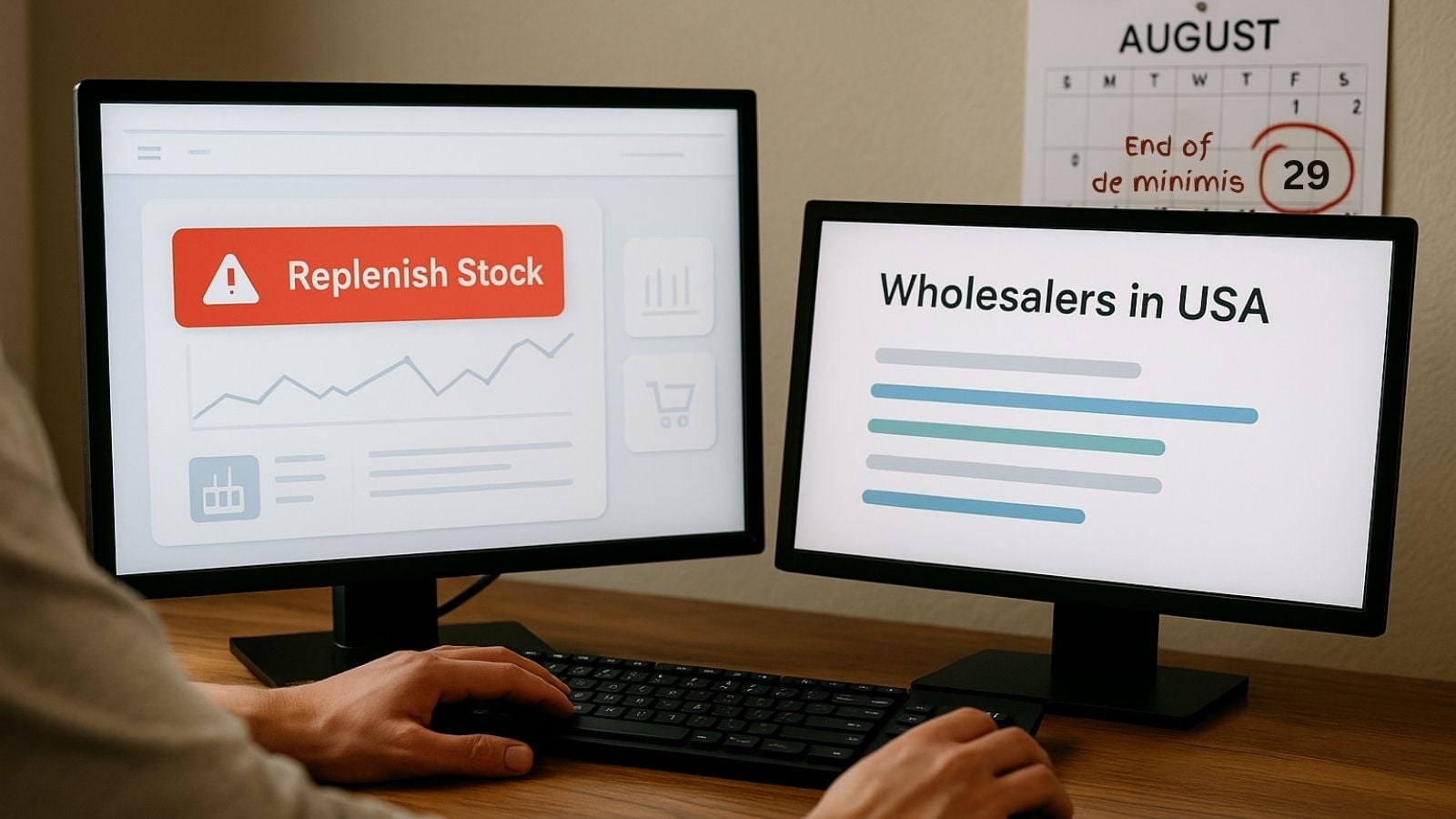
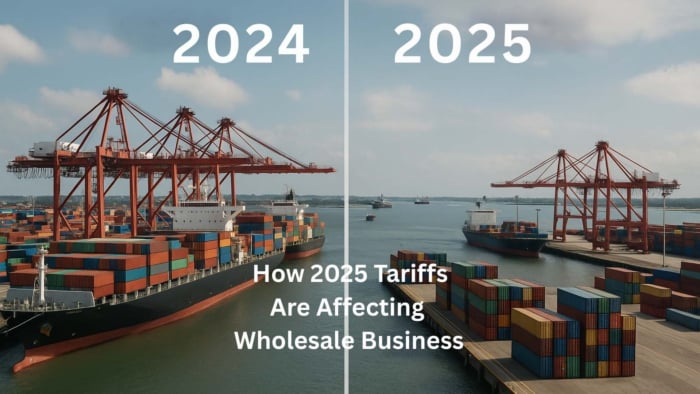
The de minimis rule 2025 change is shaking the foundation of e-commerce and small retail businesses in the United States. For years, sellers relied on the $800 duty-free threshold to import small parcels from overseas without paying tariffs or facing heavy customs paperwork. That advantage is now gone. As of late August 2025, every shipment entering the U.S. — no matter how small — is subject to duties and stricter clearance procedures. This shift is more than a policy tweak; it’s a direct hit to dropshippers and online sellers who built their business models around cheap, low-value imports. The good news is, survival isn’t only possible — it’s an opportunity. By rethinking sourcing strategies and turning to U.S.-based wholesale suppliers like Buy4store, retailers can protect their margins, avoid tariff surprises, and keep shelves stocked for Q4 and beyond.
What Was the De Minimis Rule?
For years, online retailers and small businesses enjoyed a shortcut in global trade known as the de minimis exemption. Under this system, shipments valued at less than $800 per package could enter the United States free of duties and with minimal paperwork. That meant entrepreneurs didn’t have to worry about costly tariffs or delays at customs when ordering small batches of products directly from overseas factories. The rule created an uneven playing field: U.S.-based wholesalers who carried inventory locally often had to compete with micro-importers skirting duties through multiple low-value shipments.
In 2025, this system came to an end. Policymakers argued that the old exemption favored foreign sellers and hurt domestic supply chains. By closing the loophole, the government aims to generate tariff revenue, level competition, and encourage retailers to rely on established bulk suppliers within the U.S. rather than constant micro-imports from abroad. For e-commerce sellers, this means a fundamental shift: the easy route of importing small boxes duty-free is no longer available, and finding new sourcing strategies has become urgent.
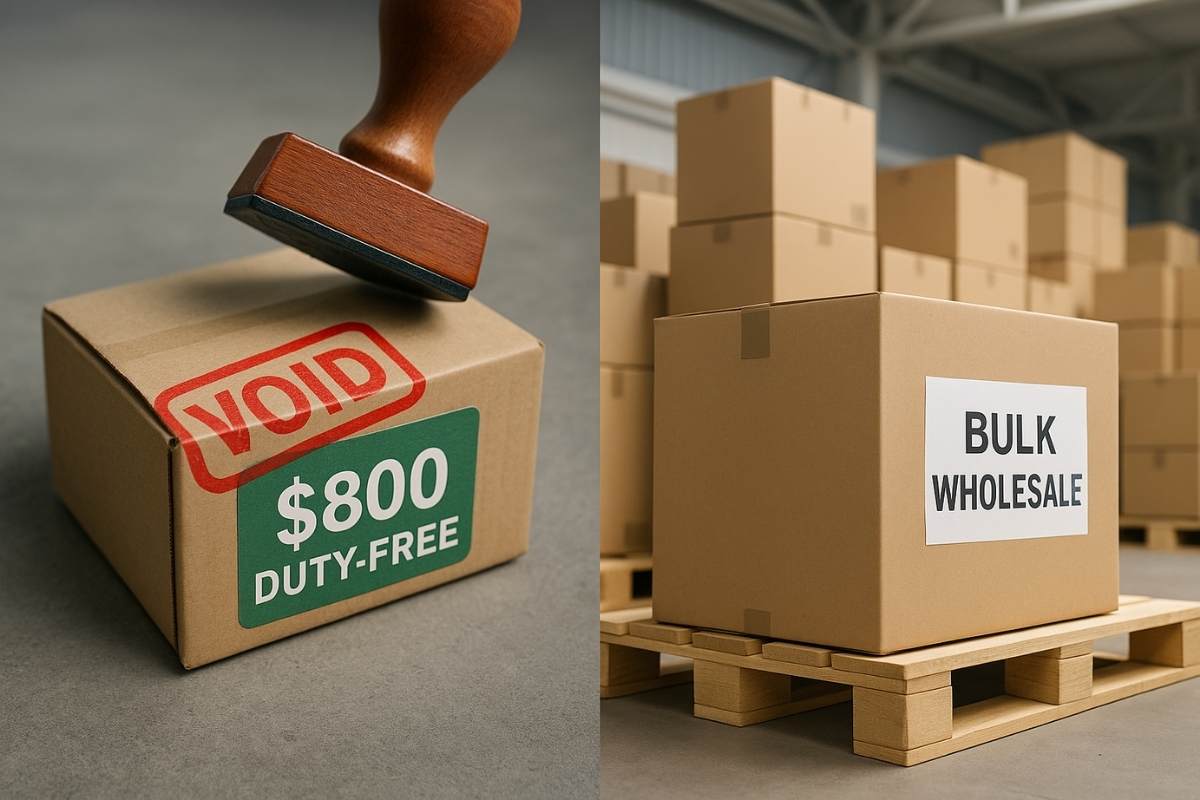
Why the End of De Minimis Hits Small Sellers Hard
The phase-out of the de minimis allowance didn’t just change paperwork—it rewrote the math for thousands of online sellers. Entrepreneurs who once relied on importing dozens of small parcels each week are now forced to pay duties on every shipment, no matter the value. This means costs add up fast, delivery timelines stretch longer, and profit margins shrink. The model that allowed dropshippers to stay competitive by bypassing traditional wholesale channels has suddenly lost its advantage.
Dropshippers and Micro-Importers Lose Their Edge
Many small e-commerce sellers built their businesses around ordering goods in tiny quantities from overseas suppliers. It worked because those packages slipped under the $800 duty-free ceiling. With that door closed, the cost of “cheap” imports is no longer predictable. Instead of focusing on sales growth, retailers now face hidden tariffs, inconsistent shipping charges, and clearance delays that frustrate customers.
Higher Duties, Slower Clearance, More Paperwork
The ripple effect goes beyond money. Customs paperwork for each shipment is now mandatory, adding delays at ports and warehouses. Products that used to arrive in days can take weeks, especially during high-volume periods like the holiday season. Sellers who were operating on razor-thin margins are the most vulnerable—they’ll either raise prices or risk selling at a loss. The clear takeaway? Relying on constant overseas micro-imports is no longer sustainable.
For businesses that want to stay competitive, shifting focus to wholesale bulk orders from U.S.-based distributors and suppliers is now the smarter play. By sourcing products that are already cleared through customs and sitting in domestic warehouses, retailers can cut out tariff surprises and maintain stable pricing for their customers.
Questions Retailers Are Asking Right Now
When a policy shift hits this hard, sellers don’t just want news—they want answers. The end of the duty-free import rule has created confusion, and retailers are asking the same pressing questions across forums, social media, and search engines. Below, we address the most common concerns e-commerce business owners have today.
How Will This Affect My Margins?
Every shipment now carries duties, which means sellers must factor in extra costs on top of product price and freight. Even small packages attract processing fees. If you were operating on a 20–25% margin, expect that cushion to shrink significantly unless you adjust pricing or switch to sourcing through bulk distributors already operating in the U.S. market.
Is Dropshipping Still a Viable Business Model?
Traditional dropshipping that relies on cheap overseas parcels is under serious strain. Higher duties and slower clearance times eat into both margins and delivery speed—two pillars of a successful dropship model. Dropshipping isn’t dead, but it will need to evolve. Many sellers are now turning to domestic wholesale suppliers that offer faster shipping and no surprise tariffs.
Should I Keep Importing Small Parcels from China?
For most sellers, the answer is no. Small shipments are no longer cost-effective when each box gets taxed. The smarter move is consolidating shipments into larger containers, or bypassing overseas risks entirely by buying inventory in bulk from American warehouses. That strategy keeps costs predictable and ensures faster fulfillment.
Are There Tariff-Safe Product Categories?
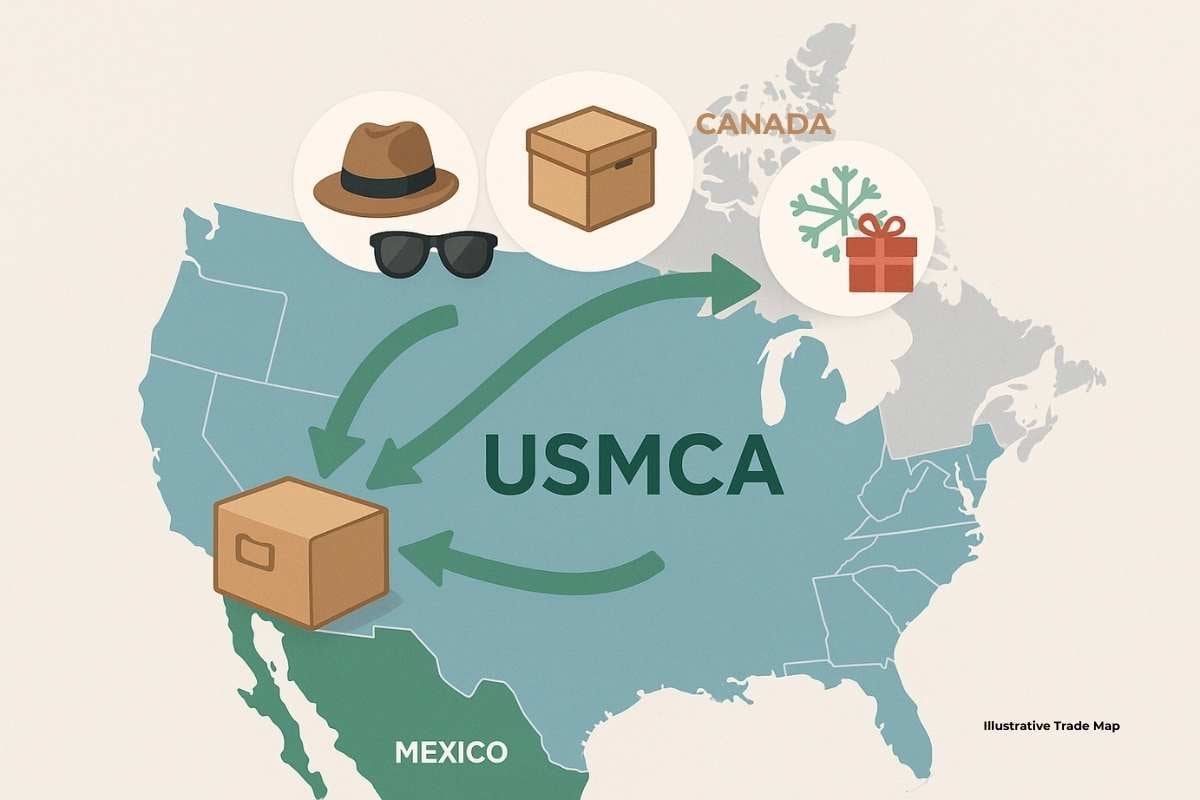
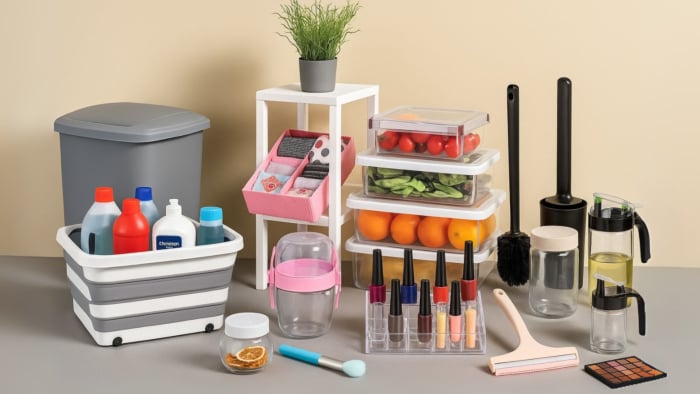
Yes. Some product categories carry lower risks, especially goods that fall under USMCA agreements or those already stocked in U.S. wholesale warehouses. Since these items have cleared customs, retailers don’t face hidden duties or surprise clearance fees. Focusing on dependable categories—like fashion accessories, home goods, organizers, or seasonal inventory—can help e-commerce sellers maintain steady margins while avoiding the uncertainty tied to constant overseas imports.
Why U.S. Wholesalers Are a Better Option Post-De Minimis
With the duty-free loophole closed, importing small parcels from overseas is no longer the low-cost path it once seemed. Retailers who continue chasing that model will face shrinking margins, slower deliveries, and frustrated customers. The businesses that adapt will be the ones that shift toward sourcing from wholesale distributors inside the United States, where inventory is already cleared through customs and ready to move quickly.
Predictable Bulk Pricing Without Tariff Surprises
When you purchase from a domestic distributor, you know your cost upfront. There are no hidden duties, no unpredictable customs bills, and no delays caused by clearance backlogs. This stability allows retailers to calculate profits more accurately and set competitive prices that still protect margins. In uncertain trade conditions, that kind of predictability is worth more than chasing the illusion of “cheap” overseas shipping.
Faster Fulfillment for E-Commerce Sellers
Today’s customers expect fast delivery—often within two to three days. That’s nearly impossible if every shipment is stuck at customs. By buying in bulk directly from U.S. wholesalers, retailers can keep products in local warehouses or ship them directly to customers without the risk of delays at ports. Faster shipping not only protects customer satisfaction but also strengthens repeat sales.
How to Compare Wholesale vs. Import Costs
The math is straightforward. Add product price + overseas freight + new tariffs + customs handling + delivery time risk. Now compare that to bulk wholesale pricing from a U.S.-based distributor. In most cases, the domestic option comes out ahead—not just financially, but also in reliability. For small and mid-sized sellers who can’t afford margin shocks, switching to a wholesale model is no longer optional—it’s survival.
Action Plan for Retailers Post-De Minimis
With the de minimis exemption gone and the holiday season approaching, retailers can’t afford to wait and see what happens. The smartest move is to create a clear sourcing strategy now. Below is a practical four-step action plan that e-commerce sellers can follow to protect margins and keep customers happy in the last quarter of the year.
Step 1 — Audit and Benchmark Your Current Supply Chain
Don’t just list costs—benchmark them. Break down product price, freight, insurance, duties, clearance fees, and average delivery times. Then compare those figures against previous quarters. This reveals not only the cost increases since the duty-free exemption ended but also how much volatility you’re absorbing. Knowing your “all-in” landed cost per unit is the foundation for deciding whether to stick with imports or pivot to U.S. bulk buying.
Step 2 — Model the True Landed Cost vs. Domestic Wholesale Pricing
Run the math with realistic scenarios. For example, if a $5 imported product now attracts a 20% duty plus $1 in handling and $0.50 in delay-related costs, your actual landed cost is closer to $7.50. Compare that to a $6.80 bulk unit from a domestic distributor that ships immediately and carries no tariff risk. In many cases, what looks “cheaper” overseas is actually the more expensive choice once hidden costs are revealed.
Step 3 — Diversify Into Reliable Wholesale Channels
Instead of relying on a single overseas source, start blending your sourcing strategy. Identify U.S.-based wholesale partners that can provide core categories—fashion accessories, hats, home organizers, seasonal goods—where you need consistent supply. Use imports only for specialty or unique items that still justify the extra cost. This hybrid model helps stabilize your inventory while keeping options open.
Step 4 — Secure Holiday Inventory Early and Focus on Fast-Movers
Q4 demand is predictable: fashion items, accessories, home essentials, and seasonal gifts always spike. Don’t wait for last-minute imports that may stall at ports. Place bulk orders with domestic wholesalers early, so you’re not competing in December when supply chains tighten. Focus on products with proven turnover rather than experimental categories—this ensures you can capture the holiday rush without tying up cash in slow sellers.
Buy4store’s Advantage in the Post-De Minimis Era
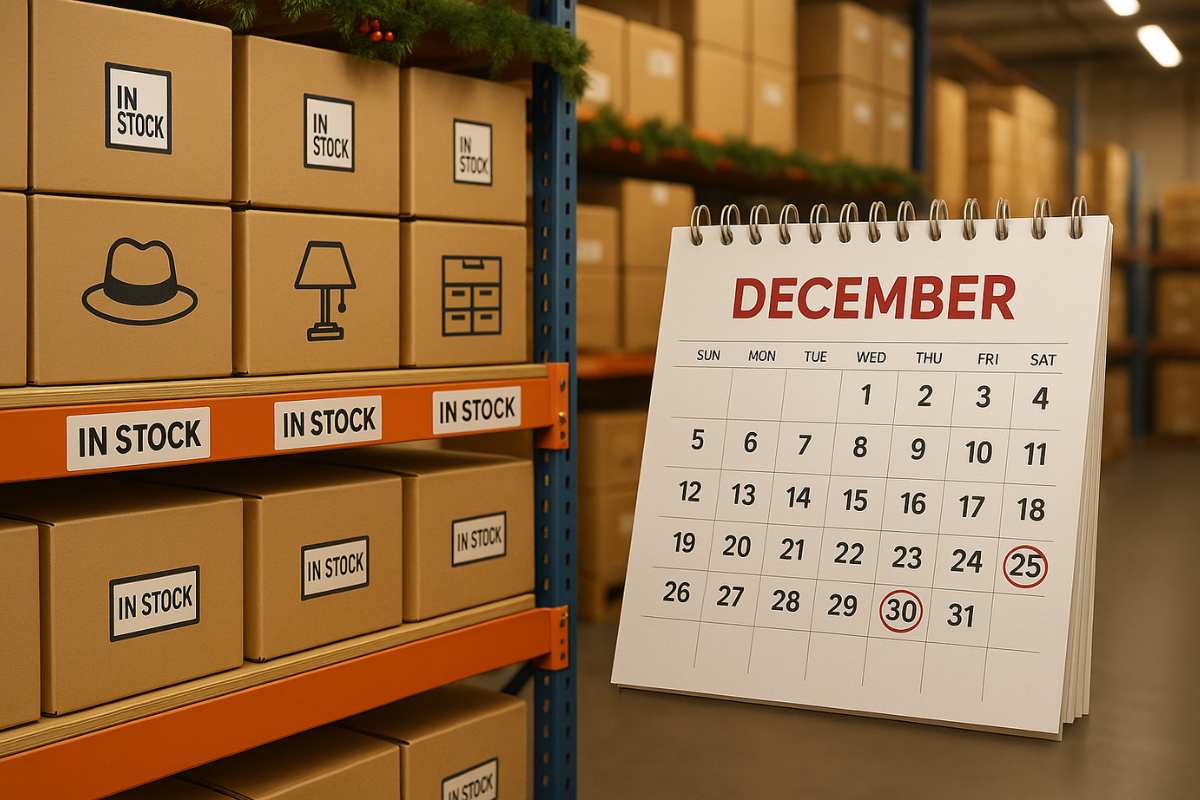
While many sellers are scrambling to adjust to the end of the duty-free exemption, Buy4store is already positioned to give retailers the stability they need. As a U.S.-based wholesale distributor, we carry a wide variety of products in-stock and ready to ship—meaning you don’t have to worry about tariffs, customs delays, or hidden costs. This advantage allows you to focus on selling, not chasing unpredictable supply chains.
Large U.S. Inventory Already Cleared
Every item in our warehouse has already been imported, processed, and cleared through U.S. customs. That means when you buy from Buy4store, you’re not just purchasing goods—you’re securing peace of mind. No more waiting weeks for overseas parcels or wondering if your next shipment will get stuck at the port.
Competitive Bulk Pricing Across Multiple Categories
From hats and belt buckles to organizers, lamps, and seasonal products, our catalog is designed to serve retailers who need variety and volume. Bulk pricing ensures you can maintain healthy margins while staying competitive in your market. By purchasing in larger quantities, you not only save per unit but also reduce the risks of inconsistent overseas costs.
Supporting Retailers Through Trade Uncertainty
We understand that sudden policy changes create challenges. That’s why our mission is to help resellers, shop owners, and e-commerce businesses continue growing—even when tariffs or trade disputes threaten their supply chains. Buy4store offers consistent stock, fast shipping across the U.S., and pricing you can rely on—making us a long-term partner in your retail success.





0 Comment(s)